
Best Time for Laser Resurfacing in Toronto: Spring vs Fall vs Winter
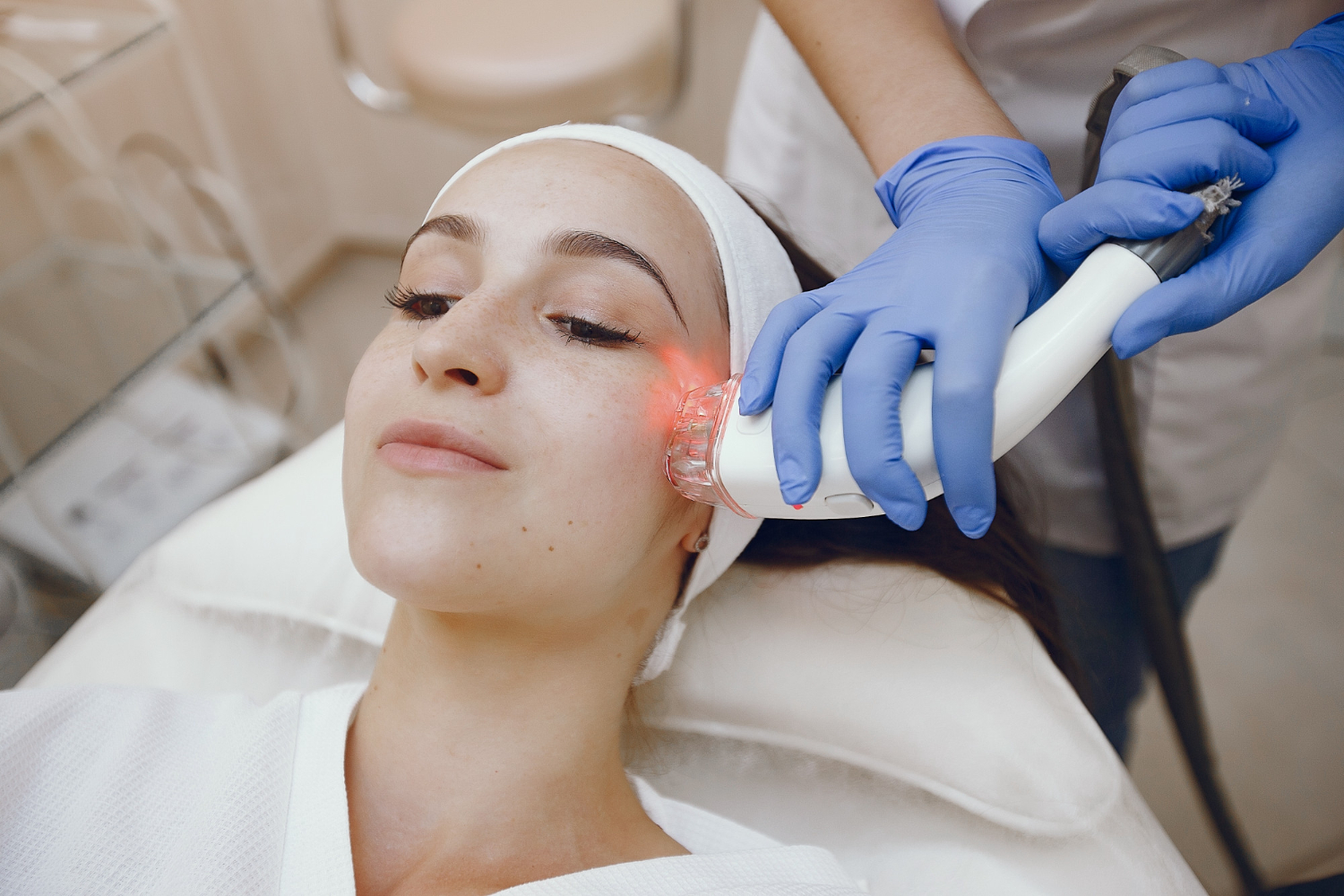
Laser facial resurfacing can help smooth texture, soften fine lines, and refresh dull or sun-damaged skin. In a city like Toronto though, timing your treatment around our changing seasons can make a big difference in comfort, healing, and results.
In this article, we look at how spring, fall, and winter affect laser facial resurfacing. We discuss sun exposure, recovery time, and how your lifestyle and schedule fit in. We also explain why it is important to plan your treatment with a qualified physician who follows Canada’s standards and the guidance of the College of Physicians and Surgeons of Ontario (CPSO).
How Seasons Affect Laser Facial Resurfacing in Toronto
Laser facial resurfacing uses focused light energy to target the upper layers of the skin. Depending on the device and settings, it can gently polish the surface or create deeper controlled micro-injury to trigger new collagen and smoother skin over time.
In Toronto, timing matters because our climate changes a lot between seasons. We see:
- stronger sun and higher UV index in late spring and summer
- dry, cold air in winter that can stress the skin barrier
- fluctuating temperatures in the fall and spring that can make skin more reactive
The season affects how much sun you are exposed to during healing, how comfortable your skin feels, and how easy it is to manage redness or flaking. The best time for laser facial resurfacing is different for each person, which is why a physician-led plan is so important.
How Sun Exposure Affects Laser Resurfacing Safety
After laser facial resurfacing, the skin is more exposed and sensitive as it heals. Freshly treated skin can react more strongly to UV light. This can increase the risk of:
- hyperpigmentation (dark patches)
- prolonged redness
- delayed or uneven healing
In Toronto, outdoor habits change with the seasons. Winter often means fewer long days outside, but bright snow can reflect UV back onto the face. Spring and fall usually involve more time outdoors in comfortable temperatures and, as days get longer, UV levels start to rise again.
No matter the season, careful sun protection is non-negotiable after laser treatment. Most patients will need to:
- use a broad-spectrum, medical-grade sunscreen as directed by their physician
- wear a wide-brimmed hat or other physical shade when outdoors
- favour the shade and avoid peak midday sun when possible
- follow all clinic-specific instructions about sun exposure and skincare
Your physician will give you tailored advice based on your skin type, treatment depth, and healing progress.
Why Many People Prefer Fall Treatments
Many Toronto patients like to plan laser facial resurfacing for the fall. There are some practical reasons for this pattern.
Shorter days and a lower UV index can make it easier to avoid strong sun. Families are often back into school and work routines, which can mean more predictable schedules and more time indoors. Cooler air can also feel more comfortable on healing skin than hot, sticky summer weather.
Fall also gives you time to:
- recover while naturally spending more time inside
- wear light scarves, hats, or makeup (once approved) to cover temporary redness
- plan for your results to settle before winter holidays or special events
That said, fall is not automatically right for everyone. Suitability for laser facial resurfacing always depends on a proper assessment with a physician who can look at your skin, health history, and overall goals.
Winter Laser Resurfacing Benefits and Cautions
Winter in Toronto can be an appealing time for laser facial resurfacing. UV exposure is generally lower, and we tend to wear more layers, scarves, and hats, which can support sun protection for the face on bright days.
Winter advantages:
- Less direct sun exposure for many people
- More time spent indoors by choice
- Easier use of physical barriers like scarves and hats
However, there are some challenges with winter as well. Indoor heating and cold outdoor air can dry the skin and weaken the barrier. Healing skin after laser treatment may feel tighter, more sensitive, or more reactive in very dry conditions.
To support healing in winter, your physician may recommend:
- hydrating, medical-grade skincare that is gentle on sensitive skin
- avoiding harsh scrubs, retinoids, or strong acids until you are cleared to use them
- short, lukewarm showers instead of very hot water on the face
- using a humidifier at home to help with dryness if appropriate
All aftercare should follow clinic-specific, evidence-based protocols, not general online advice.
Is Spring a Good Time for Laser Facial Resurfacing?
Spring can also be a good time for treatment, especially early in the season. Temperatures tend to be milder, which can feel good on healing skin, and many people want a refresh after a long winter indoors.
Pros of spring:
- Comfortable outdoor temperatures that are not too hot or too cold
- A natural time to reset skincare habits and address winter dullness
- Enough time to complete a series of lighter treatments before late summer or fall events
The main concern in spring is rising UV exposure and longer days outside. Patio season, outdoor sports, and more walks in the sun can make strict sun protection harder to follow. If you choose spring, you must be ready for careful, daily sun care and be honest about how much time you spend outside.
Some types of laser facial resurfacing may be better suited to the early spring, when the UV index tends to be lower, and you may be outside less. Deeper or more intensive treatments often need stricter sun avoidance, which your physician can help you plan. Timing should always be confirmed in a one-on-one consultation.
Choosing Treatment Intensity for Your Season and Lifestyle
Not all laser facial resurfacing is the same. Some treatments are lighter and non-ablative, targeting the deeper layers of the skin while leaving the surface more intact. Others are more intensive and can require more healing time and stricter aftercare.
In general:
- Lighter, non-ablative options may fit better if you have a busy schedule or limited downtime
- Deeper treatments often involve more redness, swelling, and flaking and may need more time away from social plans
Season and lifestyle both matter. For example:
- Someone who works from home may feel comfortable doing a deeper treatment in fall or winter, when they can stay inside more easily.
- Someone with frequent spring or summer travel might prefer a lighter option or a different time of year.
A physician-led assessment is key. At Sovereign Skin, we review your skin type, medical history, medications, and goals to choose an approach that fits Canada’s regulations and CPSO guidance and respects your daily life.
Planning Laser Facial Resurfacing with a Toronto Physician
Timing laser facial resurfacing is not only about the season; it is about planning. Booking ahead of your preferred season gives time for proper assessment, pre-treatment skincare if needed, and scheduling around holidays, events, or trips.
During a physician-directed visit at our Toronto medical spa and laser clinic, we typically:
- review your medical history and current medications
- assess your skin type, tone, and concerns in detail
- discuss realistic outcomes, possible side effects, and expected recovery
- create a customized plan that may include laser resurfacing alone or in combination with other non-surgical treatments
At Sovereign Skin, our focus is on evidence-based, non-invasive care that follows Canada standards and CPSO guidelines. Choosing the right season for your laser facial resurfacing is part of that careful planning, so your treatment, aftercare, and everyday life all work together for smoother, fresher-looking skin.
Plan Your Next Laser Resurfacing Treatment with Confidence
If you are considering laser facial resurfacing, our physicians at Sovereign Skin can help you choose the timing, settings, and aftercare that suit your skin and your schedule. During a comprehensive consultation, we review your medical history, examine your skin, and explain realistic outcomes, so you can make an informed decision that aligns with Canadian guidelines. If you are ready to discuss your options or book a visit, please contact us to speak with our team.

Aesthetic Team
Sovereign Skin
Articles on the Sovereign Skin blog are written and medically reviewed by licensed aesthetic professionals with hands-on clinical experience in cosmetic injectables and skin treatments. Our team follows current medical guidelines and evidence-based practices to ensure accurate, trustworthy information that helps readers make informed decisions about aesthetic care.
