
Laser Stretch Mark Removal in Toronto: Skin Tone, PIH Risk & Sun Avoidance
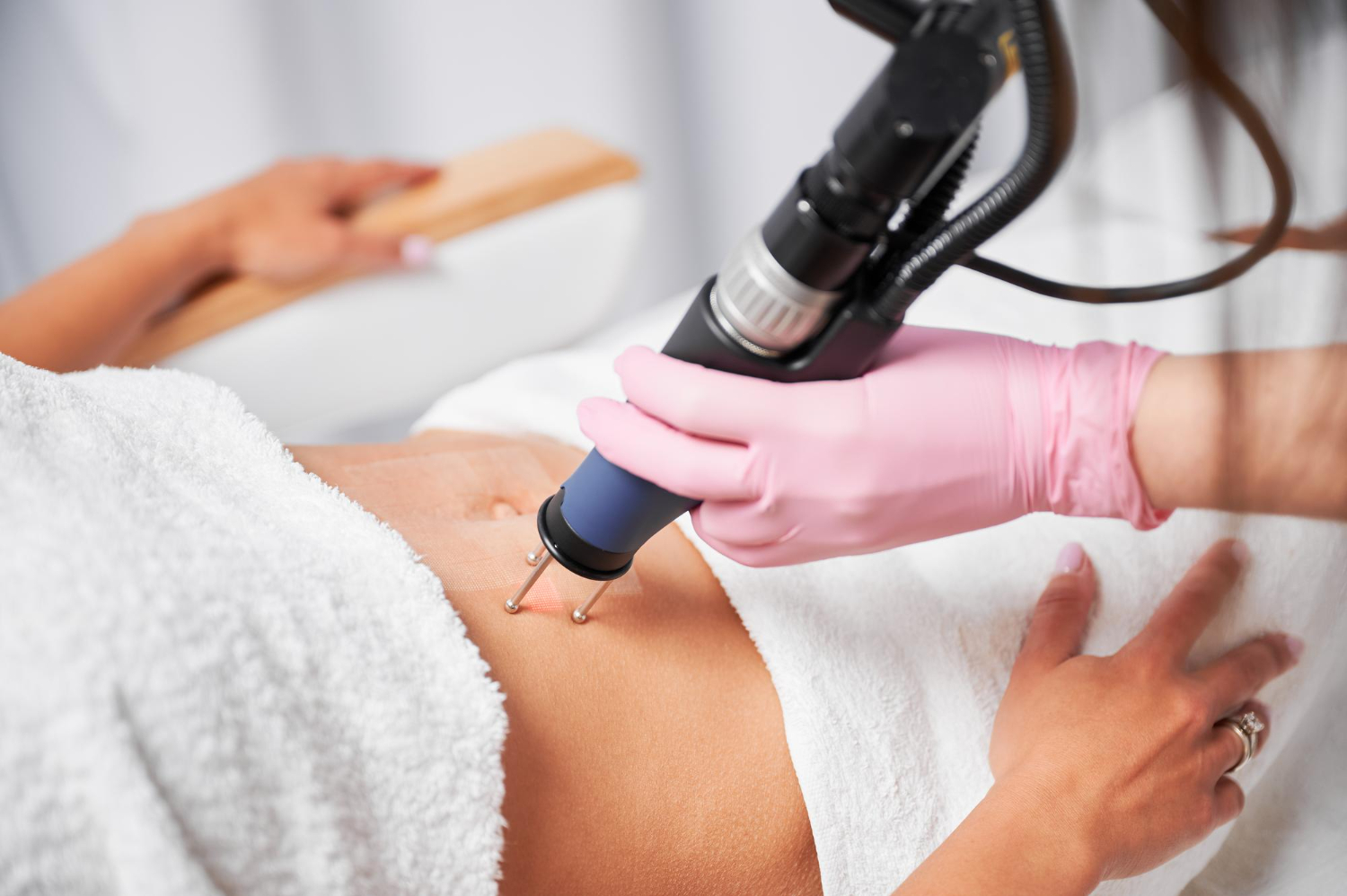
Restore Confidence Safely with Laser Stretch Mark Care
Stretch marks are very common. They happen when the skin stretches faster than it can keep up, so the deeper layer of the skin develops tiny tears. This can be linked to growth spurts, pregnancy, weight changes, or hormones. Many people in Toronto feel self‑conscious about marks on the stomach, hips, breasts, thighs or arms and start looking for safe ways to soften how they look.
Laser stretch mark removal in Toronto is one option some people explore with a physician. It is not the only choice and it is not right for everyone, but when it is used, it can help improve texture and colour over time. Results are gradual, and every plan needs to be tailored to the individual. In this article, we focus on how skin tone, Fitzpatrick type, risk of post‑inflammatory hyperpigmentation (PIH) and sun habits shape a safe, realistic plan.
Everything here is for general education only. It is not medical advice and is not a substitute for an in‑person assessment with a CPSO‑licensed physician who can look at your skin and health history.
Understanding Stretch Marks, Skin Tone, and PIH Risk
Stretch marks form in the dermis, the middle layer of the skin that gives structure and support. When the fibres in this layer are stretched quickly, tiny breaks can appear. At first, stretch marks often look red, pink or purple. These newer marks may have more blood flow and sometimes respond better to certain laser treatments.
Older stretch marks usually look pale, white or silvery. They can be more stubborn because the change in the tissue is more mature. Laser plans for older marks may focus on texture and blending, not on making them disappear.
The Fitzpatrick skin type scale helps us think about how likely skin is to burn or tan:
- Types I, II: very fair to fair skin, usually burn easily, rarely tan
- Type III: light to medium skin, sometimes burn, often tan
- Types IV, V: medium to dark brown skin, tan easily, rarely burn
- Type VI: deepest brown to very dark skin, almost never burn
This scale matters for laser settings and safety. The more melanin in the skin, the more carefully we need to plan energy levels and treatment type.
Post‑inflammatory hyperpigmentation, or PIH, is darkening of the skin after it has been irritated or inflamed. It can appear after acne, insect bites, scratches or procedures like lasers if healing does not go as planned. People with medium to deeper Fitzpatrick types are often more prone to PIH, especially if they have had dark marks linger after past skin injuries. Careful planning aims to lower this risk while still working toward cosmetic improvement.
Tailoring Laser Stretch Mark Removal to Fitzpatrick Type
For lighter skin tones, such as Fitzpatrick types I to III, some laser wavelengths and higher energy levels may be tolerated more easily because there is less competing pigment in the surrounding skin. Even so, treatment should always be physician-supervised. We still need a full medical review, clear expectations and a focus on gradual change rather than quick fixes.
Some things that are usually reviewed for lighter types include:
- Age of the stretch marks, newer versus older
- Location of the marks and how much area is involved
- Past history of scarring or unusual healing
- Comfort level with redness, flaking or temporary darkening
For Fitzpatrick types IV to VI, safety planning is even more careful. Darker skin naturally holds more pigment, which can make it more reactive to heat and light. There can be a higher chance of PIH or, rarely, light spots if the wrong settings are used. In these cases, we may suggest:
- More conservative laser settings, with lower energy or longer spacing between sessions
- Test spots in a small area first, then waiting to see how the skin responds
- Adding or substituting non‑laser treatments, such as medical microneedling or topical products overseen by a physician
- Extra focus on sun protection and aftercare instructions
At our clinic, laser stretch mark removal in Toronto is not a one‑size‑fits‑all service. A physician looks at the Fitzpatrick type, how old the stretch marks are, where they sit on the body, your medical history and any history of pigment problems. Often, the plan may mix different technologies and topical care, or recommend staying with non‑laser options if that is safer for your skin.
Planning Treatments Around the Toronto Seasons and Sun
In Toronto, fall can be a practical time to begin a laser plan. UV levels are usually lower than in summer, and people often wear more clothing that naturally covers treated areas. This can make strict sun avoidance easier while the skin is healing.
Sun care is important for every skin tone. It becomes even more important for medium to deeper Fitzpatrick types that are already more prone to PIH. General strategies we often discuss include:
- Daily use of a broad‑spectrum sunscreen on exposed areas, reapplied as directed
- Protective clothing like long sleeves, pants and wide‑brimmed hats when outdoors
- Avoiding intentional tanning, both outdoor sunbathing and indoor tanning beds
- Planning treatment times so you are not heading straight into strong midday sun
Healing windows, session counts and timing between visits are very individual. Some people need more time between treatments, especially if they have a history of pigment issues. Too much sun during these healing times can increase the risk of PIH and can make the results less even, so planning around weather and lifestyle is an important part of safe care.
What to Expect From Physician‑Supervised Laser Care
At a CPSO‑regulated medical clinic, a proper consultation is the first step before any laser work. This is where a physician reviews your medical history, medications, allergies, past procedures and how your skin has healed before. The skin and stretch marks are examined up close, and your Fitzpatrick type is assessed.
In that discussion, you can expect to hear about different options, which might include:
- Laser treatments
- Non‑laser options like microneedling or topical care
- Doing nothing for now if that is safer for your health or stage of life
Informed consent is part of standard practice. Benefits, limits, common side effects and less common risks are explained in plain language so you can decide what feels right for you.
Results with laser stretch mark removal in Toronto are usually gradual. It often takes multiple sessions, spaced out over time. Most people can expect:
- Temporary redness or swelling in treated areas
- A feeling of mild warmth or tightness right after treatment
- Possible temporary darkening or lightening as the skin recovers
Following aftercare instructions is very important. This can include gentle cleansing, moisturizing, sun protection and avoiding picking or scrubbing. Not everyone is a candidate for laser. Pregnancy, some medications, active skin infections or certain skin conditions may lead a physician to recommend delaying laser or choosing another path that better fits your health and safety.
Smooth Your Skin With Advanced Stretch Mark Solutions
If you are ready to address stubborn stretch marks with a personalized, medically supervised approach, our team at Sovereign Skin is here to help. Learn how our advanced technologies for laser stretch mark removal in Toronto can be tailored to your skin, comfort level, and goals. Book a consultation to review your options and receive honest recommendations from our specialists, or contact us with any questions about treatment suitability and pricing.

Aesthetic Team
Sovereign Skin
Articles on the Sovereign Skin blog are written and medically reviewed by licensed aesthetic professionals with hands-on clinical experience in cosmetic injectables and skin treatments. Our team follows current medical guidelines and evidence-based practices to ensure accurate, trustworthy information that helps readers make informed decisions about aesthetic care.
