
Mole Removal in Toronto: When a Cosmetic Clinic Should Refer You
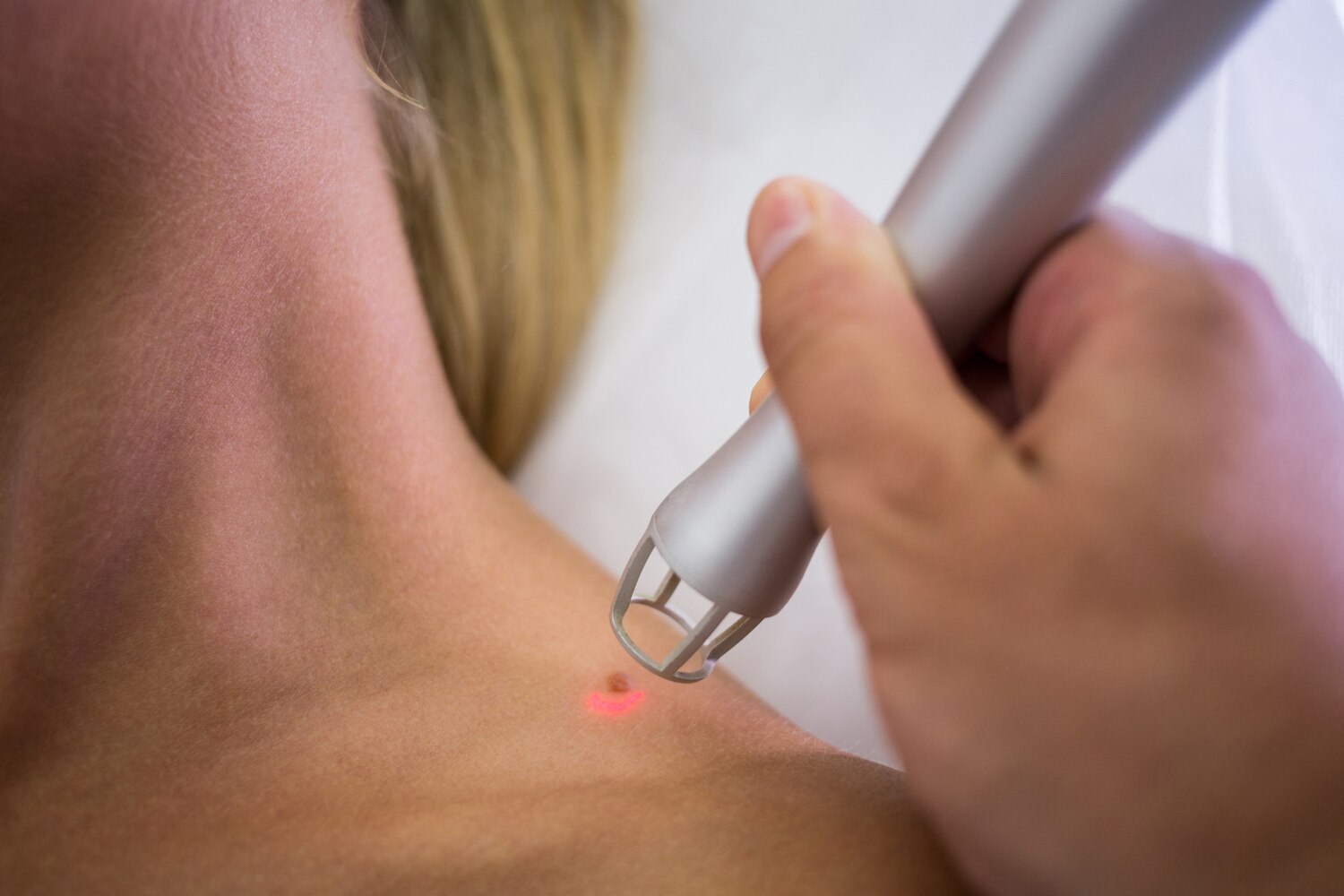
A mole in a visible spot, or one that rubs against clothing, can be frustrating. Many people ask us about mole removal in Toronto because they want to feel more comfortable in their skin or reduce a cosmetic distraction. Before any cosmetic treatment is considered, though, the first question is always whether the spot needs medical assessment.
At Sovereign Skin, we believe personalized care starts with clear, honest guidance. Some moles may be suitable for a cosmetic conversation, while others should be assessed by a qualified physician or dermatologist first. Knowing the difference helps protect your health and supports informed treatment decisions.
Why Mole Removal in Toronto Starts with Assessment
Not every raised, dark, flat, or textured spot is the same. During an initial consultation, we look at your cosmetic concern and discuss whether it appears appropriate for a cosmetic discussion or whether medical evaluation should happen first. A cosmetic setting is not the place to diagnose skin cancer or reassure someone that an unusual mole is harmless.
Our role is to communicate clearly about the limits of cosmetic assessment. If a lesion is changing, looks unusual, causes symptoms, or cannot be confidently discussed within the appropriate cosmetic scope, we recommend seeing a qualified medical professional before moving forward.
A physician may consider several next steps based on the lesion, your health history, and their clinical findings. Common steps:
- Monitoring the area over time
- Examining the lesion more closely
- Arranging a biopsy
- Performing surgical excision
- Referring you to a dermatologist
This process is not meant to create alarm. It is simply the right order of care. Cosmetic concerns matter, but medical questions should be answered medically first.
Changes that Need Medical Assessment First
Moles can stay unchanged for years, but a new or changing spot deserves attention. We encourage you to notice what is normal for your own skin and to seek medical assessment if a mole begins to look, feel, or behave differently.
The ABCDE approach can be a helpful awareness tool. It is not a diagnosis, and it cannot replace an in-person assessment by a qualified medical professional. Still, it may help you identify changes worth bringing to your physician’s attention:
- Asymmetry, where one half does not resemble the other
- Border changes, including uneven or irregular edges
- Colour variation, such as multiple shades within one spot
- Diameter changes or noticeable growth
- Evolving features, including changes in size, shape, colour, or symptoms
Other signs that should be assessed include bleeding, itching, crusting, pain, or a lesion that looks noticeably different from the rest of your moles. Sometimes people call this an “ugly duckling” spot, because it stands out from their usual pattern.
Toronto’s November weather may bring less direct sun exposure than summer, but skin awareness matters throughout the year. After a season of outdoor time, you may notice changes more clearly while getting dressed, showering, or looking at areas that were exposed to the sun. We recommend taking those observations seriously rather than waiting for a more convenient time.
When Cosmetic Care Must Give Way to Referral
Safe cosmetic care includes recognizing when cosmetic treatment is not the right next step. If a mole has concerning features, has recently changed, may require biopsy or pathology, or cannot be properly assessed within a cosmetic setting, we defer treatment and recommend medical evaluation.
That referral may be to your family physician, a dermatologist, or another qualified medical professional. The right destination depends on your individual situation and the type of assessment that you need. In some cases, your physician may decide that observation is appropriate. In others, they may recommend further examination or removal in a medical setting.
This approach reflects the standards that we believe should guide all cosmetic discussions: patient safety, accurate communication, informed consent, and appropriate scope of practice. A cosmetic treatment cannot diagnose skin cancer, rule it out, or replace medical assessment of a suspicious lesion. We would rather pause a cosmetic plan than give false reassurance about something that needs proper clinical attention.
What You Can Expect After a Medical Referral
After referral, a physician or dermatologist may examine the mole and ask about changes you have noticed. They may also review your personal and family history, including prior skin concerns and sun exposure. Where appropriate, they may use dermoscopy, a tool that helps them examine skin structures more closely.
Depending on their findings, the medical professional may recommend watching the lesion, documenting it for comparison, arranging a biopsy, or removing it through an excision procedure. The best option depends on the lesion itself and the medical assessment, not simply on where the mole is located or whether it is cosmetically bothersome.
Medically necessary care and cosmetic procedures can be handled differently. Decisions about OHIP (Ontario Health Insurance Plan) coverage are made by the treating physician and depend on the nature of the concern and the care being provided. We encourage you to ask your physician any questions that you have about the purpose of the procedure and what follow-up may be needed.
Until you are assessed, avoid trying to remove, freeze, burn, cut, or treat a suspicious mole at home. Instead, keep a simple record of what you notice. Dated photos and notes about symptoms, such as itching or bleeding, may help you explain the change clearly during your medical appointment.
Choose a Consultation that Puts Your Skin First
For cosmetic concerns that may be appropriate for non-surgical aesthetic care, we take time to discuss your goals and help you understand whether cosmetic treatment should be considered. When a spot falls outside the appropriate cosmetic scope, referral is part of responsible, individualized planning.
A changing, bleeding, painful, or unusual mole should be assessed by a qualified medical professional before cosmetic treatment is considered. When you are unsure, the safest next step is to have the spot properly evaluated first.
Clear Guidance for Your Next Step
For concerns that are appropriate for cosmetic care, our team can discuss mole removal in Toronto and help you understand your options. At Sovereign Skin, we take a thoughtful approach to each treatment plan and prioritize clear information. If you would like to discuss a cosmetic concern, contact us to arrange a consultation.

Aesthetic Team
Sovereign Skin
Articles on the Sovereign Skin blog are written and medically reviewed by licensed aesthetic professionals with hands-on clinical experience in cosmetic injectables and skin treatments. Our team follows current medical guidelines and evidence-based practices to ensure accurate, trustworthy information that helps readers make informed decisions about aesthetic care.
