
Safe Laser Treatment Plan in Toronto: Patch Tests, Timing, and Aftercare
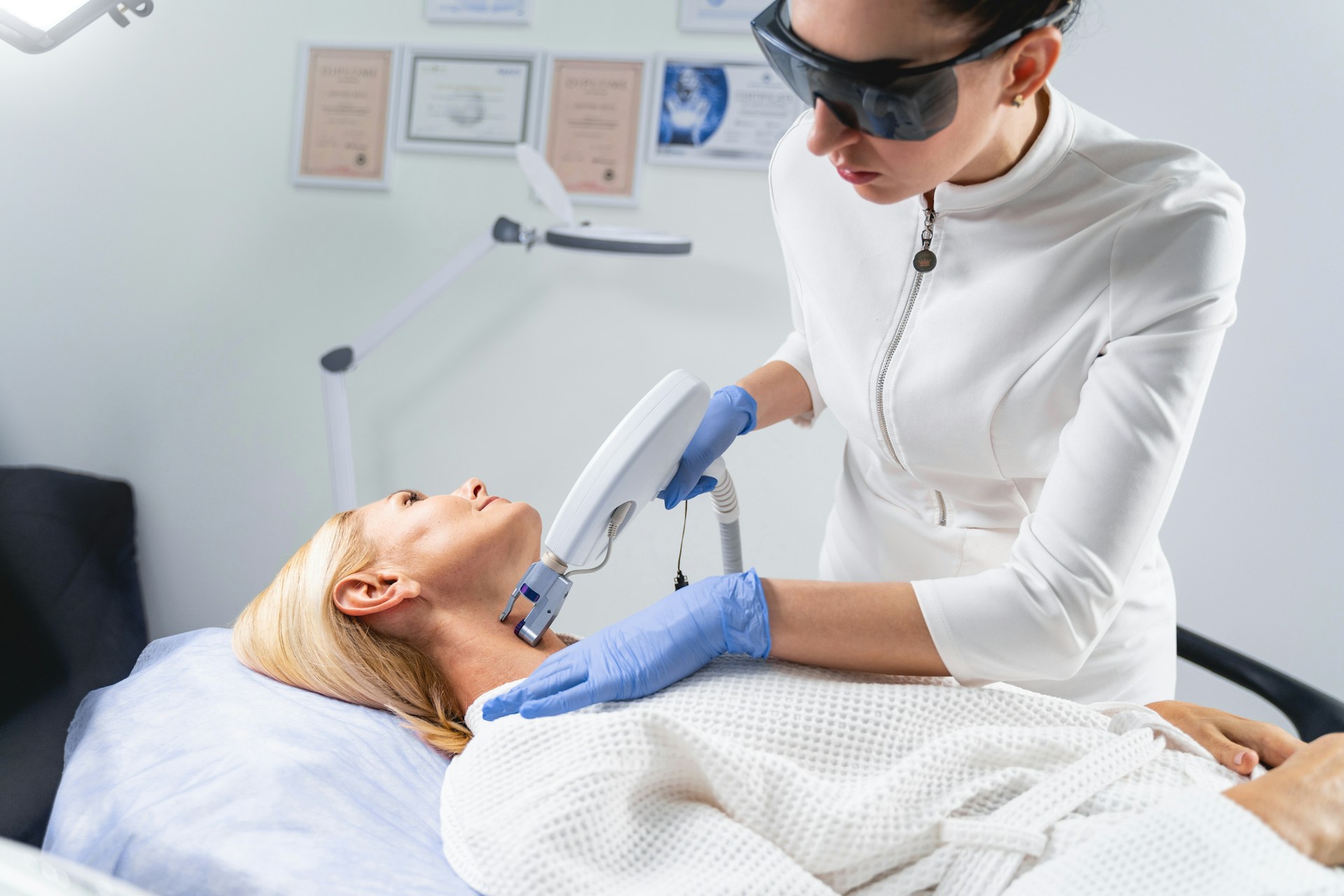
Safe laser treatments do not start with the machine; they start with a plan. In a city like Toronto, with many skin tones, shifting seasons, and different levels of sun exposure, a thoughtful plan is what keeps laser treatments both effective and low risk. When laser is planned well, your skin is protected, your health history is respected, and each step is timed to match how your body heals.
At a physician-directed clinic in Toronto, safe planning typically includes several layers: a proper medical assessment, careful patch testing, skin prep before your first session, appropriate spacing between visits, and the right aftercare. All of this should be personalized for your skin type, treatment area, schedule, and comfort level, not pulled from a one-size-fits-all script.
How to Plan Safe Laser Treatments in Toronto
Safe laser planning means asking, “Is this right for your skin right now?” rather than “Can this device do it?” That question matters even more in Toronto because of the wide range of Fitzpatrick skin types, the way outdoor activities change with the seasons, and the reality that many people travel often or plan treatments around busy event calendars.
A safe laser plan usually includes patch tests to see how your skin reacts, pre-treatment skincare to calm and protect your barrier, proper spacing of sessions so your skin can heal, and aftercare tailored to the exact laser and body area.
When care is provided under physician-directed supervision, in a manner consistent with the guidance of the College of Physicians and Surgeons of Ontario (CPSO), there is oversight of who is treated, how they are treated, and what to do if something does not go as planned. The aim is not just cosmetic improvement, but also long-term skin health and safety.
Most of all, a good plan is individualized. Your skin type, medical history, medications, hair colour, and even your work and travel schedule all affect what is safe for you.
Why Medical Assessment Comes Before Any Laser
Before you lie down under a laser, there should be a full consultation focused on you, not on selling a package. The consultation should clarify your goals and also whether laser is truly the best option for your concerns.
A thorough medical assessment should cover:
- past skin concerns like acne, eczema, melasma, or psoriasis
- history of scarring issues or keloids
- previous pigment problems or stubborn dark marks
- any cosmetic procedures or peels that you had recently
Medication and health details matter too. Be sure to share these:
- Acne drugs, including current or recent use of strong oral treatments
- Photosensitizing antibiotics or other drugs that make you sun sensitive
- Supplements that affect healing or bleeding/clotting
- History of cold sores in the treatment area
- Pregnancy or breastfeeding status
In Ontario, in alignment with CPSO expectations for medical procedures, a physician should be responsible for your overall medical care plan, including obtaining informed consent, reviewing risks and alternatives, and ensuring that any nurse or technician using the laser is appropriately trained and supervised.
In a clinic that follows these principles, the assessment also looks at practical factors that shape settings, safety, and results. These commonly include Fitzpatrick skin type, hair colour and thickness for hair removal, and lifestyle factors such as outdoor work, gym habits, and upcoming travel or events. All of this influences the choice of laser, the settings used, session timing, and whether it is safe to proceed now or it is better to wait.
Custom Patch Tests and Skin Prep that Protect You
A laser patch test is like a small “dress rehearsal” for your skin. A tiny area is treated using conservative settings and then observed over the next few days. This is especially important for darker skin tones, recently tanned skin, new patients, or when using a new laser device or wavelength.
Patch testing should not be treated as a checkbox. Based on your response, the clinical team, under physician guidance, may adjust where the test patch is placed, the exact energy and pulse settings, and how long they wait before clearing you for a full session.
Before treatment, skincare is also planned. Recommendations often include pausing strong retinoids and acids for a set time; avoiding new or “active” products that might irritate your skin; using gentle, fragrance-free cleansers and moisturizers; and clarifying which prescription or medical creams you can keep using.
Sun exposure is a major safety factor, so clinics commonly emphasize daily broad-spectrum SPF with regular reapplication, avoiding tanning outdoors and in tanning beds, and being honest about recent sun or heat exposure. Good sun habits help lower the risk of burns and pigment changes after laser, especially around late spring and summer.
Timing Your Laser Sessions for Results and Safety
Session spacing is not random. It depends on what is being treated and how your skin heals between visits. For example, laser hair removal is timed to hair growth cycles, vascular and pigment lasers usually need gaps for the body to process treated vessels or pigment, and resurfacing treatments need more healing time, especially at stronger settings.
If sessions are scheduled too close together, the chances go up for:
- ongoing redness and irritation
- post-inflammatory hyperpigmentation
- results that level off because your skin never fully recovers
Seasonal planning also matters. In Toronto, many people prefer to:
- do more intensive facial work in cooler, lower-UV months
- switch to maintenance treatments and strict sun care as the UV index rises
- plan hair removal so that treated areas are less exposed to peak sun
A clinic that prioritizes safety will also consider your calendar and help you schedule in a way that protects results and reduces avoidable irritation. Timing is often planned around:
- weddings and big events
- beach or cottage vacations
- outdoor sports seasons
This keeps your results on track and lowers the risk of flare-ups at inconvenient times.
Aftercare and When to Call Your Provider
Good aftercare is part of the treatment, not an extra. The basics usually include the following:
- Gentle cleansing with mild, non-foaming products
- Fragrance-free moisturizing to support the skin barrier
- Strict sun protection with SPF, hats, and shade
- Avoiding heat like saunas and hot tubs for a set period
- Pausing scrubs, retinoids, and acids until your provider says it is safe
Aftercare must also be customized, because what is appropriate after a light pigment session on the body is not the same as after an intimate-area laser or a stronger facial resurfacing treatment. Your team should consider the laser type and settings used, the area treated, and how reactive your skin has been in the past.
It also helps to know what is normal versus a warning sign. Normal short-term effects can include mild redness or pinkness, light swelling, and a feeling of warmth or tightness.
Contact your clinic promptly if you notice:
- severe blistering or crusting
- significant or worsening pain
- patches that darken quickly or look very uneven
- any sign of infection like pus, strong odour, or spreading redness
Care consistent with CPSO principles also means that you should have clear instructions on how to reach the clinic for concerns, good documentation of your treatment, and a clear process for involving the supervising physician if needed.
How a Good Toronto Clinic Customizes Your Plan
When all of these pieces come together, your laser plan should feel organized and calm, not rushed or random. A physician-directed clinic in Toronto that follows CPSO guidance will typically coordinate:
- medical assessment and candidacy, led by or under the direction of a physician
- patch testing and response checks
- skincare prep before and between sessions
- session spacing and seasonal timing
- detailed, written aftercare that fits your life
In practice, a well-run clinic is usually recognizable by how it communicates and how individualized the approach feels. Signs that you are in a well-run clinic include:
- open discussion of risks, benefits, and other options
- realistic timelines, not promises of overnight change
- personalized laser settings for your skin type and concerns
- flexibility in scheduling instead of pressure to buy large, prepaid packages
During a consultation, it is reasonable to ask questions like these:
- Who is the medical director? How involved are they in my care?
- How is informed consent handled?
- What is the process if I have a complication or feel like something is wrong?
- Is there support after hours for urgent concerns?
At Sovereign Skin, laser treatment plans are developed under physician direction with safety as the priority, in keeping with CPSO guidance. Plans are designed to match your skin and health history, and to respect your goals and schedule. Careful planning, patch testing, thoughtful timing, and clear aftercare all work together so your laser treatments support both your confidence and your long-term skin health.
Build Your Personalized, Safer Laser Treatment Plan with Physician Guidance
If you are ready to create a laser treatment plan that respects your skin type, health history, and comfort level, we are here to help. At Sovereign Skin, our physicians and medical aestheticians work together to tailor patch testing, pre-treatment skincare, session timing, and aftercare for you. Learn what to expect and how we approach safety at our med spa in Toronto, or contact us to schedule a confidential consultation.

Aesthetic Team
Sovereign Skin
Articles on the Sovereign Skin blog are written and medically reviewed by licensed aesthetic professionals with hands-on clinical experience in cosmetic injectables and skin treatments. Our team follows current medical guidelines and evidence-based practices to ensure accurate, trustworthy information that helps readers make informed decisions about aesthetic care.
