
Humidity-Proof Acne Scar Aftercare in Toronto: Sweat and Infection Prevention
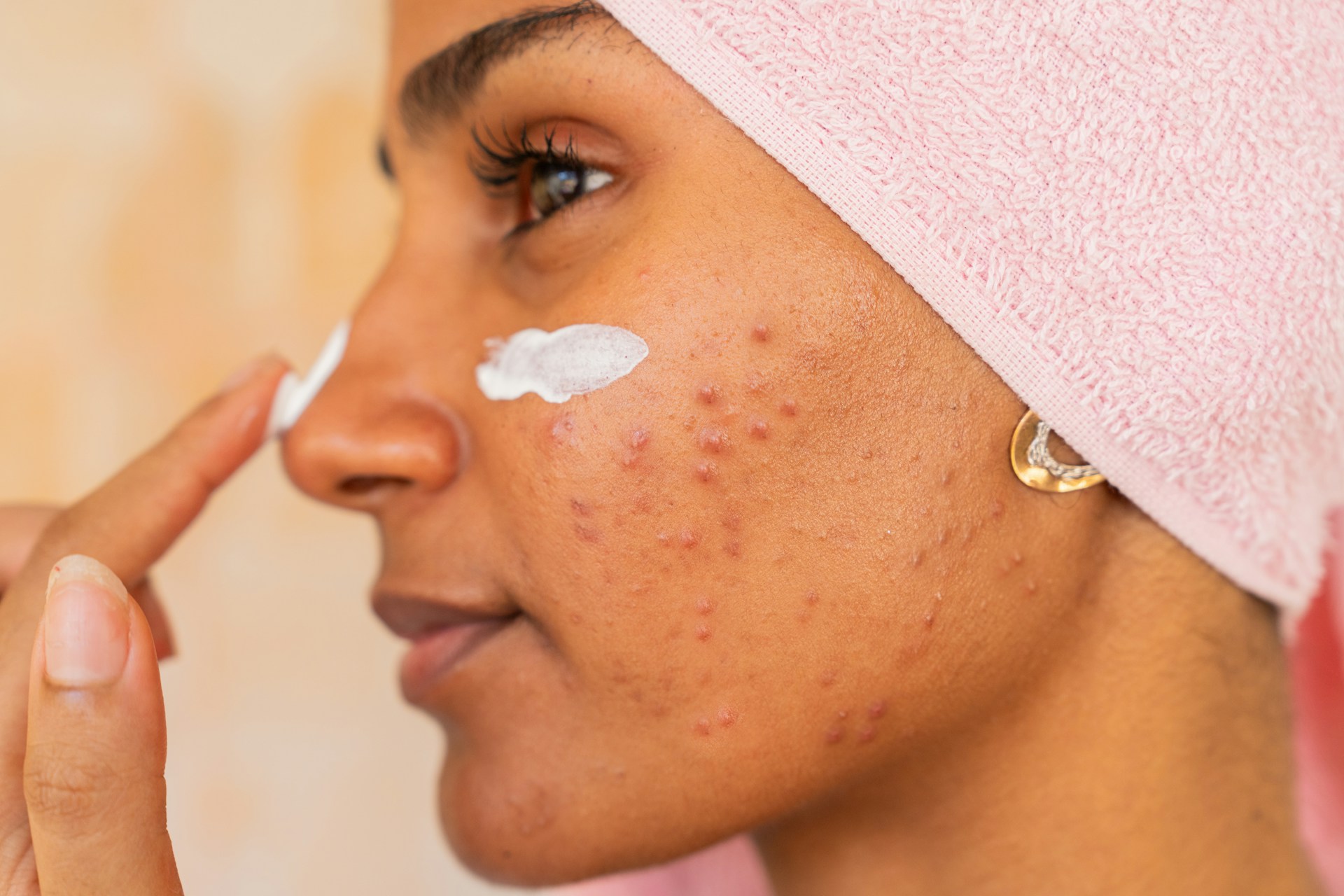
Hot, sticky weather can make your acne scar aftercare tricky, especially in a city like Toronto where humidity, crowded transit, and long days outside are common. If you have had microneedling, laser, subcision, or chemical peels, sweat and heat can affect how your skin heals and how your results turn out.
We want to walk you through how humidity, sweat, and occlusion affect healing skin and what small, safe changes you can make to your routine. This information is general and does not replace medical advice, but it can help you know what to ask your clinic and what to watch for after acne scar treatment in Toronto.
Keeping Acne Scars Calm When Toronto Gets Humid
Healing skin likes calm, clean, and cool conditions. Humid summer days, heat waves, and packed streetcars can give you the exact opposite. That does not mean your treatment will fail, but it does mean aftercare needs more attention.
After acne scar procedures, your skin barrier can be more open and sensitive. In a hot, humid city setting, that can increase risks like:
- irritation or redness, which takes longer to settle
- higher chance of clogged pores and breakouts
- pigment changes in darker or sensitive skin
- infection if bacteria get into tiny channels or wounds
The good news is that most people do very well with a few thoughtful tweaks. We always recommend following your own clinic’s written instructions and using general tips like these as a conversation starter with your treating physician or nurse.
How Sweat, Heat, and Humidity Affect Healing Skin
Sweat itself is not dirty, but on healing skin it can be irritating. When sweat mixes with oil, skincare, makeup, and Toronto smog particles, it can sit in open follicles and micro-channels.
This can lead to:
- stinging or burning on recently treated areas
- small bumps or breakouts, including folliculitis
- softening of surface skin that is trying to repair
Occlusion is another big factor. Occlusion means anything that traps heat and moisture against your skin, such as:
- tight masks or respirators
- heavy balms, ointments, or layered makeup
- helmets, caps, or collars rubbing one spot
After acne scar treatment in Toronto, you often cannot avoid the TTC, summer festivals, or busy workouts, but you can plan around them. Extra care around commutes, gym sessions, and outdoor events helps lower the chance of irritation and infection.
Summer Sweat Rules After Acne Scar Treatments
Different procedures have different downtime, and only your treating clinic can give you exact timelines. In general, many physicians recommend avoiding intense heat and sweating for a short period after treatment.
You may be told to pause:
- strenuous workouts and hot yoga
- saunas, steam rooms, and hot tubs
- very long, hot showers or baths
Once you are cleared to sweat again, you can protect healing skin by:
- choosing cooler indoor workouts or going earlier in the day
- keeping sessions shorter and avoiding tight headbands or straps on treated areas
- showering or rinsing with lukewarm water soon after sweating
- skipping scrubs, loofahs, and harsh cleansers on the treated area
Always pat, never rub. Gently press a clean, soft towel against your skin instead of wiping. Swap out damp masks or hats as soon as you can, especially during long days on transit or at outdoor events.
Smart Occlusion Choices with Masks, Makeup, and Clothing
When the air feels heavy and damp, anything tight on your skin can feel worse. If you have healing acne scars on your face, jawline, or neck, friction and trapped moisture under fabric or gear can set you back.
To keep things calmer:
- Choose masks made from soft, breathable materials when you need them
- Avoid straps, helmets, or hats that dig into freshly treated skin
- Loosen collars and necklines that constantly rub one area
Makeup is another common question. Many people want to cover redness, but makeup can block pores and slow healing if used too soon. We usually suggest:
- avoiding makeup completely until your physician or nurse says it is safe
- starting with non-comedogenic, fragrance-free options once cleared
- applying with clean brushes or sponges, then washing them often
This is not the time to test new actives or complex routines. Do not add new skincare products on freshly treated areas unless your medical team approves them.
Infection Prevention Without Over-Sterilizing Your Skin
Healing skin needs to stay clean, but that does not mean scrubbing or using harsh antiseptics. Over-washing or layering strong products can break down the barrier you are trying to protect
Know the early warning signs that need medical review:
- Redness that keeps spreading instead of slowly fading
- Increasing warmth, throbbing, or pain around the area
- New yellow or green discharge or pus
- Swelling that is getting worse instead of better
- Fever or feeling unwell
Simple hygiene habits go a long way in humid weather:
- Wash your hands often and avoid touching or picking at the area
- Use clean pillowcases and face towels, changed more frequently in summer
- Follow your clinic’s cleansing steps exactly, including what product and how often
- Keep gym towels, masks, and hats clean and dry
Do not self-prescribe antibiotics, antiseptic solutions, or advanced wound dressings. Any change to your care plan should be cleared by the physician or nurse who knows your procedure.
Sunscreen, Pigment Changes, and Toronto Summers
Sun and heat are big triggers for post-inflammatory hyperpigmentation, especially after microneedling, laser, peels, or subcision. In Toronto, bright summer days and reflective surfaces like water and glass can make this more noticeable.
Most patients are advised to:
- use a broad-spectrum sunscreen with SPF 30 or higher once the skin is ready
- reapply as directed, especially if sweating or spending time outside
- wear wide-brimmed hats and seek shade during peak sun hours
- avoid sunbeds or tanning
Some prescription creams, brightening agents, and exfoliants are not safe right after procedures, even if you used them before. Only restart or add products like these when your physician or clinic nurse gives clear instructions.
When to Call Your Clinic and How We Can Help
You should contact your clinic promptly if you notice:
- sudden or severe pain that feels different from expected tenderness
- redness that spreads or looks sharply outlined
- discharge, crusting, or odour from the treated area
- fever, chills, or feeling generally unwell
- dark or uneven pigment that is getting worse over time
It also helps to be open about your real lifestyle. Summer sports, long outdoor shifts, travel, religious fasting, and busy commutes can all affect how your skin responds and heals. When we understand your day-to-day life, we can adapt aftercare to suit you while staying within Canada’s regulations and College of Physicians and Surgeons of Ontario (CPSO) guidelines.
At Sovereign Skin in Toronto, our physician-supervised team focuses on safe, non-surgical options for acne scar treatment in Toronto, along with practical, humidity-aware aftercare plans. We tailor advice to your skin type, your specific procedure, and the season, so you can protect your results while still living your life.
Protect Your Acne Scar Results with Expert, Physician-Guided Care
If you are ready to support your healing with medical guidance that respects your skin, our physicians can help you plan safe, effective acne scar treatment in Toronto tailored to your needs. At Sovereign Skin, we review your health history, your current products, and your lifestyle to recommend evidence-informed aftercare that reduces the risk of irritation or infection. If you would like to book a consultation or ask questions about your next steps, please contact us, and our team will respond promptly.

Aesthetic Team
Sovereign Skin
Articles on the Sovereign Skin blog are written and medically reviewed by licensed aesthetic professionals with hands-on clinical experience in cosmetic injectables and skin treatments. Our team follows current medical guidelines and evidence-based practices to ensure accurate, trustworthy information that helps readers make informed decisions about aesthetic care.
