
Postpartum Pelvic Floor Physiotherapy in Toronto: Return to Exercise Safely
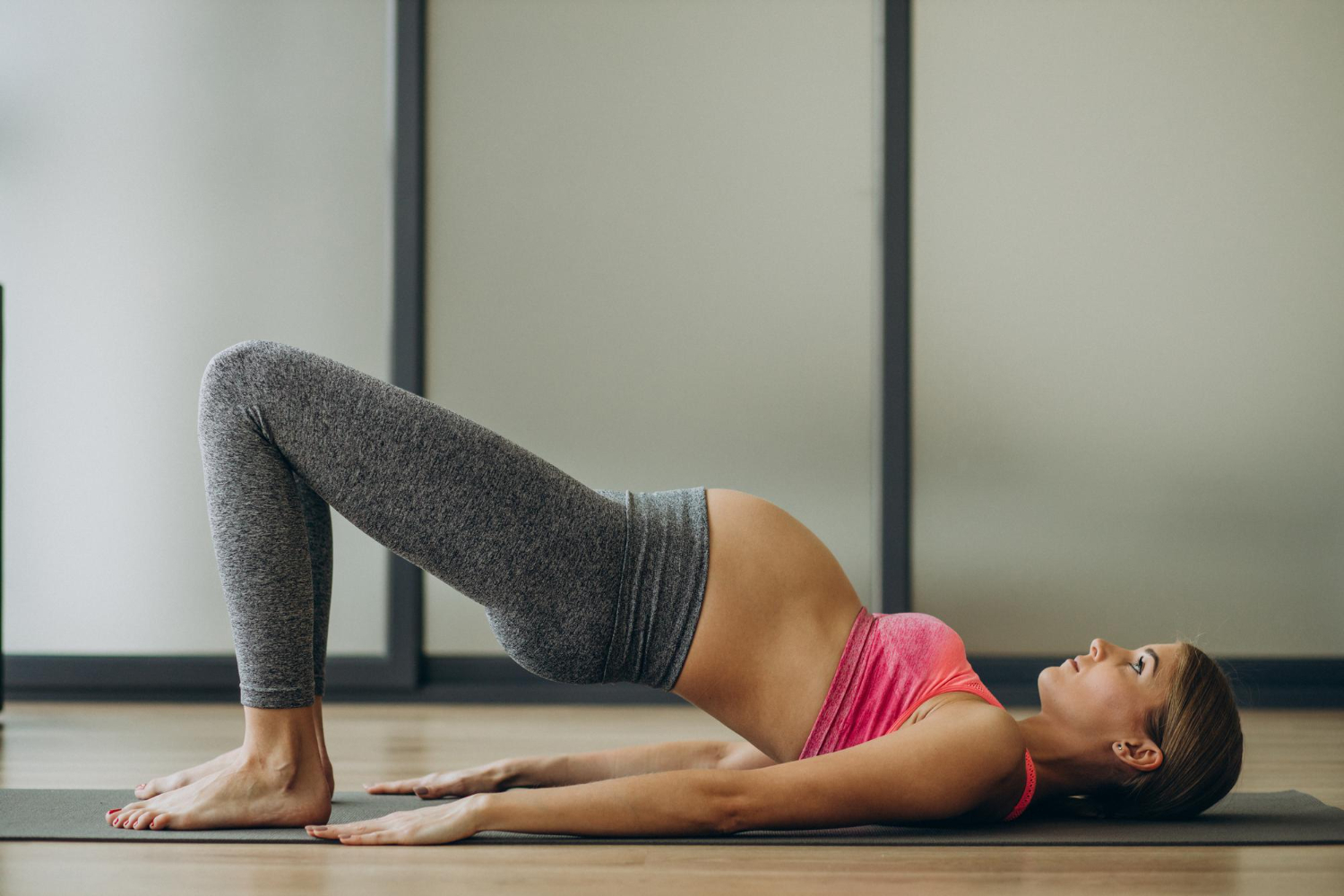
Returning to Movement After Baby: What You Need to Know
Returning to exercise after pregnancy is not just about fitness; it is about healing. Your body has gone through big changes in your pelvis, abdomen, and pelvic floor, no matter if you had a vaginal birth or a C-section. These areas can be stretched, weakened, or feel completely different than before.
If you resume high-impact exercise too soon, like running, boot camp, or heavy lifting, the pressure on the pelvic floor and core can be too much. That can increase the chance of problems like pelvic organ prolapse, leakage, or pain. A slower, guided plan is often safer and feels better long term.
Working with a pelvic floor physiotherapist in Toronto can support a gradual, individualized return to walking, jogging, lifting, or sports in a way that respects your healing tissues and aligns with Canada standards for postpartum care and rehabilitation.
Understanding Your Pelvic Floor After Pregnancy and Birth
Your pelvic floor sits like a hammock at the base of your pelvis. It is made of muscles, ligaments, and connective tissue that support your bladder, uterus, and rectum. These structures help you control urine and stool, support your spine and hips, and play a role in sexual function.
During pregnancy, the extra weight of the uterus, hormonal changes, and postural shifts can all affect the pelvic floor. During a vaginal birth, the muscles may stretch or tear. With a C-section, the pelvic floor still bears load through pregnancy, and the abdominal wall is also healing from surgery. After birth, you might notice that your core and pelvis feel less coordinated or harder to control.
Common postpartum symptoms:
- Urinary leakage with coughing, laughing, sneezing, or exercise
- Pelvic heaviness, pressure, or a feeling of something “falling down”
- Pain with intercourse or internal exams
- Low back, hip, or tailbone pain with daily activities
- A gap or doming down the midline of the abdomen, often called diastasis recti
These issues are common, but they are not “just the way it is now.” Canada best practice generally supports conservative, personalized care before more invasive options are considered. Pelvic floor physiotherapy often focuses on restoring strength, timing, and coordination so that you can move with more comfort and confidence.
How Pelvic Floor Physiotherapy in Toronto Supports Safe Exercise
A first pelvic floor physiotherapy visit usually starts with a detailed conversation. Your physiotherapist will ask about your pregnancy, delivery, medical history, current symptoms, and your goals, such as getting back to walking, running, classes, or sport. They may look at how you stand, walk, squat, and breathe, and how your abdomen and hips move.
An internal pelvic floor assessment may be offered. This involves the physiotherapist gently feeling the pelvic floor muscles from inside the vagina to assess strength, tension, and coordination. Internal exams are always optional, require clear informed consent, and must follow Ontario regulatory standards for physiotherapy practice. If you are not ready or you prefer to skip it, other parts of your body can still be assessed and treated.
Based on what they find, your physiotherapist may build a gradual plan that can include:
- breath work that connects your diaphragm, core, and pelvic floor
- gentle activation of deep core and pelvic floor muscles
- posture and movement strategies for feeding, lifting, and carrying your baby
- step-by-step loading for walking, strength work, and impact
- running readiness checks, such as hopping, single-leg balance, and symptom tracking
Pelvic floor physiotherapy in Toronto can be coordinated with your family doctor or obstetric provider when appropriate. This type of collaborative approach helps support safe postpartum recovery, healing after tears or C-section, and a gradual return to activity that is consistent with Canada clinical practice.
Timing Your Return to Fitness Through the Seasons
Many people hear “6 weeks” as the magic time point for going back to exercise. In reality, that 6-to-12-week medical check is often just the earliest moment to start easing in, not a signal to resume everything that you did before pregnancy. Readiness depends on:
- the type of delivery and any tearing or surgery
- bleeding and the healing of tissues
- sleep, mental health, and overall energy
- the presence or absence of symptoms like leakage or pain
In a Toronto summer, it can feel tempting to jump straight into long walks, jogging with the stroller, or outdoor fitness classes. A physiotherapist can help you start with short, symptom-guided walks, paying attention to heat, hydration, and how your pelvis, core, and scar areas respond. From there, intervals of brisk walking or light jogging can be added only if your body feels ready.
As the seasons change, your plan can change too. For example:
- In colder months, you might focus on an indoor home program for strength and balance
- Treadmill walking or light jogging can be used to test impact in a controlled way
- As the weather warms, short outdoor runs on flatter routes can be added
- Later, you might move toward hills, stairs, or group classes in local parks
The goal is not a strict timeline, but a flexible plan that respects your healing and your life with a new baby.
When to Seek Postpartum Pelvic Floor Care in Toronto
You can see a pelvic floor physiotherapist even if you feel “mostly fine” and just want guidance. It is especially helpful to book an assessment if you notice:
- ongoing urinary leakage past 6 to 12 weeks postpartum
- a feeling of pelvic heaviness, bulging, or something at the vaginal opening
- pain in the pelvis, tailbone, low back, hips, or during intercourse
- uncertainty or fear about lifting, running, or returning to sport
- difficulty engaging your core or feeling steady when you move
Some symptoms mean you should see a physician before, or along with, pelvic floor care. Example of red flags:
- Heavy or sudden bleeding that soaks pads quickly
- Fever, chills, or feeling unwell with pelvic or abdominal pain
- Redness, discharge, or strong odour from a C-section or perineal scar
- Sudden, severe pelvic pain, chest pain, or shortness of breath
- New, marked swelling, warmth, or pain in one leg
Collaborative care that includes your family doctor or obstetric provider helps keep you safe while you recover. You do not have to wait for the “perfect” window. Pelvic floor physiotherapy in Toronto can be helpful weeks, months, or even years after childbirth, and treatment can be adjusted to wherever you are in your recovery and fitness.
Take the Next Step Toward Confident Movement
As you think about moving more again, it can help to pause and check in with yourself. How do your pelvis, core, and hips feel during daily tasks like carrying your baby or climbing stairs? What types of movement would you like to return to over the next few seasons, from relaxed walks in your neighbourhood to higher-impact sports?
At Sovereign Skin, pelvic floor physiotherapy services are provided in accordance with Canada’s regulations and the standards set by the relevant Ontario health regulatory colleges. Care is tailored to your goals and coordinated with your other health providers when appropriate. Before your first visit, it can be helpful to jot down your questions, track your symptoms for a week or two, and list the activities that you hope to get back to. This gives your care team a clear picture so that they can design a safe, personal plan to help you move with more comfort and confidence again.
This information is intended for general educational purposes and does not replace individualized medical advice. For questions about your specific situation, please speak with your family doctor, obstetric provider, or another qualified health professional.
Take the Next Step Toward Confident Pelvic Health
If you are ready to address pain, leakage, or core weakness with a personalized plan, our team at Sovereign Skin is here to help. Learn how pelvic floor physiotherapy in Toronto can support your recovery, comfort, and long-term wellness. To schedule an appointment or ask a question, please contact us today.

Aesthetic Team
Sovereign Skin
Articles on the Sovereign Skin blog are written and medically reviewed by licensed aesthetic professionals with hands-on clinical experience in cosmetic injectables and skin treatments. Our team follows current medical guidelines and evidence-based practices to ensure accurate, trustworthy information that helps readers make informed decisions about aesthetic care.
