
Evaluating Microdermabrasion in Toronto for Post-Acne Texture
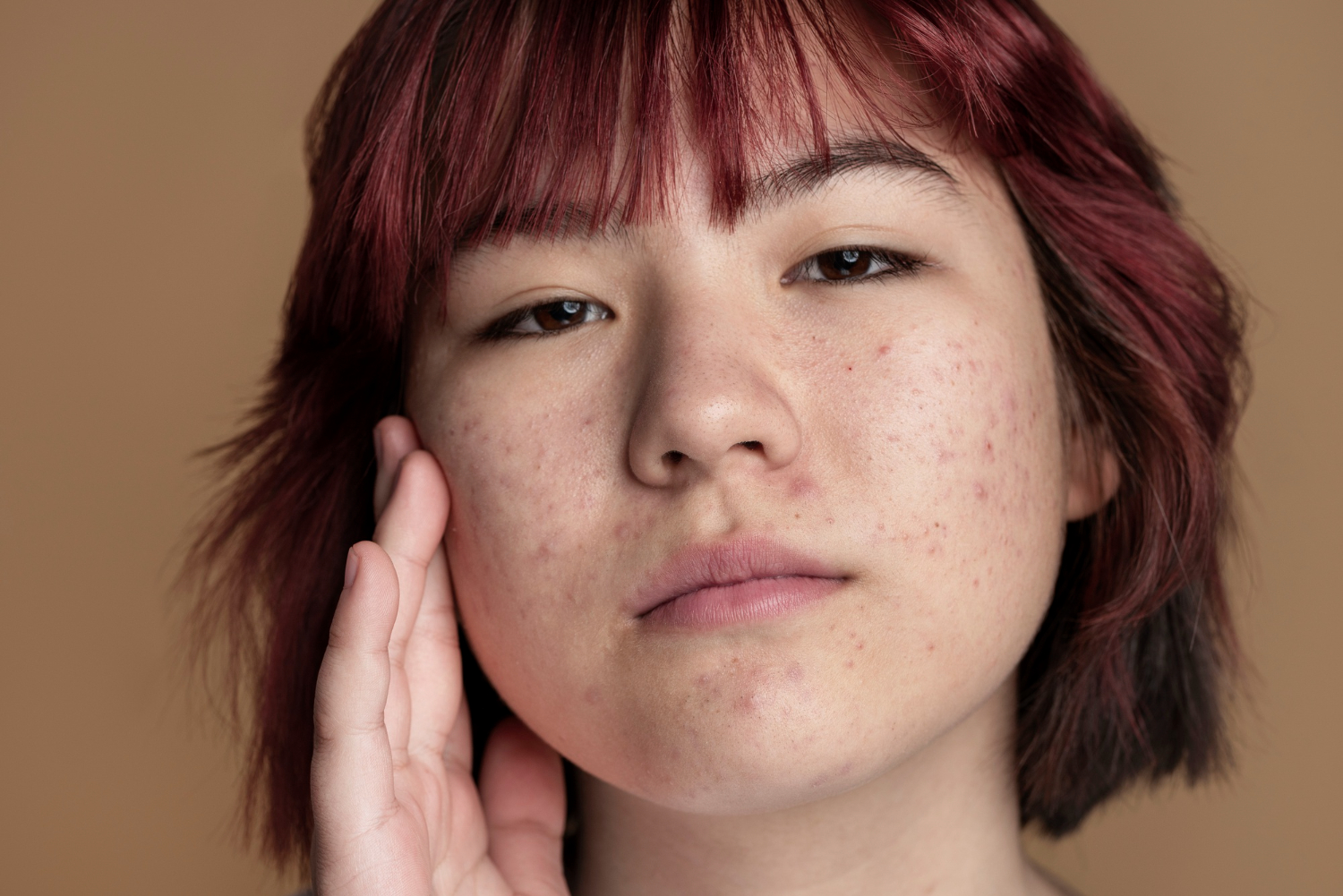
Smoother Skin After Acne: Is Microdermabrasion Right for You?
Lingering bumps and uneven skin after acne can feel frustrating. The breakouts are gone, but the rough patches, tiny dents, and old marks can still catch the light in photos and under bright Toronto sun. Many people notice this even more during late summer social events, when skin is bare and cameras are out.
Microdermabrasion is one of the gentler, non-surgical options that people explore for post-acne texture. It is a device-based exfoliation that works on the surface of the skin to smooth mild roughness and dullness. Our goal here is to explain how it works, who it might suit, and where it fits among other treatments. This information is educational only and is not a substitute for a medical assessment. Any decision about treatment should be made in person with a qualified physician in Ontario, in line with College of Physicians and Surgeons of Ontario (CPSO) guidance.
How Microdermabrasion Works on Post-Acne Texture
Microdermabrasion gently removes the outermost layer of dead skin cells. A handheld device passes over the skin with controlled exfoliation and suction. By taking off this dry, uneven top layer, it can help:
- mild surface roughness
- dull or “tired” looking skin
- very superficial post-inflammatory discoloration
It is important to be clear: microdermabrasion does not erase deep acne scars. It works on the surface, so it is best for fine textural changes, not for deeper atrophic scars or icepick marks.
In a medical spa setting, a typical visit usually includes:
- cleansing to remove makeup, sunscreen and oil
- controlled exfoliation with the microdermabrasion device
- gentle soothing products afterward, such as a hydrating serum and a light moisturizer
In Ontario, this type of procedure should be carried out by appropriately trained professionals under medical oversight. Microdermabrasion can be helpful for:
- slightly uneven texture where light catches old acne spots
- early, shallow marks that are still close to the surface
- mild congested-looking skin as long as active acne is under control
For deeper atrophic scars, rolling scars or more obvious dents, other procedures are often considered, such as microneedling, laser resurfacing, or a combination approach guided by a physician.
Who May Benefit Most from Microdermabrasion in Toronto
The best candidates tend to have acne that is well controlled or resolved. Ongoing, inflamed breakouts can be a problem, since exfoliation may irritate open lesions. Microdermabrasion is usually better suited to people who mainly see:
- residual roughness or a slightly uneven surface
- a few shallow marks from old blemishes
- dull tone rather than deep, structural scars
Certain medications can make skin more sensitive. Recent isotretinoin, strong prescription retinoids, or other therapies may raise the risk of irritation. This is why a medical review is so important before any treatment plan is made.
Toronto is a very diverse city, and skin tone matters when we talk about resurfacing procedures. For lighter skin tones, the concern is often temporary redness and dryness. For darker skin tones, there can be an added small risk of post-inflammatory hyperpigmentation if the skin is over-treated or irritated. A personalized assessment by a physician or qualified provider allows:
- careful choice of treatment intensity
- thoughtful spacing of sessions
- at-home support that respects your skin’s sensitivity
Lifestyle also plays a role. Late summer can mean patios, festivals, trips, and long hours outside. Smoother texture from microdermabrasion usually appears gradually over a series of sessions, not overnight. Work or school schedules, upcoming events, and your ability to protect your skin from the sun all feed into whether this is the right option now or later.
Comparing Microdermabrasion to Other Acne Scar Options
Microdermabrasion is one of several tools used for post-acne texture. It is helpful to see where it fits:
- Chemical peels: Use medical-grade solutions to exfoliate the skin. They can reach a bit deeper than microdermabrasion depending on the peel type.
- Microneedling: Creates controlled micro-injuries to stimulate collagen, often used for deeper textural change.
- Laser resurfacing and energy-based devices: Can target more significant scars and pigment, but usually involve more downtime and a higher level of medical oversight.
There is no single “best” treatment for everyone. A physician-led consultation looks at the following:
- Type and depth of acne scars
- Skin type and tendency to pigment or scar
- Medical history, including medications and skin conditions
- Tolerance for recovery time and number of visits
Microdermabrasion’s strength is that it is gentle, with low downtime, for mild texture and dullness. Its limitation is that results are subtle compared with more intensive procedures. Under CPSO expectations for informed consent, you should have a clear, balanced explanation of what a treatment can and cannot do before you agree to it.
Safety, Side Effects, and Summer Timing in Toronto
When done properly in a regulated clinic setting, microdermabrasion is usually well tolerated. Common, temporary side effects:
- Mild redness
- Increased sensitivity for a short period
- Slight dryness or flakiness
Proper technique, good hygiene standards, and medical oversight are key to lowering risk. The tools should be clean, the settings should be appropriate for your skin, and the person treating you should have training and support from a medical team.
Summer timing matters. Increased UV exposure, outdoor sports, and travel can affect how your skin reacts and heals. After exfoliation, skin can be more sensitive to sun, so:
- strict daily photoprotection with broad-spectrum sunscreen is important
- hats, shade and planning outdoor time help protect your results
- some people prefer to schedule treatments earlier in the day or closer to fall if they know sun protection will be a challenge
Before any procedure, a Toronto medical spa with physician oversight should go through safety checks such as:
- your medical history and acne status
- current and recent medications
- skin sensitivity, previous reactions, and scarring pattern
- a clear discussion of possible risks, alternatives, and expected outcomes, following CPSO guidelines
Skincare, Maintenance, and Planning Your Next Step
Gentle daily care can support both your skin health and any in-clinic treatment. Around microdermabrasion, many people do well with:
- a mild, non-foaming cleanser
- a simple, fragrance-free moisturizer
- broad-spectrum SPF 30 or higher every day
- the careful use of actives like retinoids or acids, only as advised by your provider
Lifestyle habits matter too. They do not replace medical treatment, but they can help your skin function at its best. This includes not picking at spots, trying to manage stress, and paying attention to sleep and balanced nutrition.
When microdermabrasion is appropriate, it is often done in a series of visits spaced out over time, with periodic maintenance after that. At Sovereign Skin in Toronto, our medical team reviews texture concerns within the context of your overall skin health. Regular reassessment with the physician or supervising provider allows your plan to change as your skin changes, so any next steps stay safe, realistic, and aligned with your personal goals for smoother, healthier-looking skin.
Reveal Smoother, Healthier Skin with Personalised Care
If you are ready to experience a noticeable refresh in your skin’s texture and tone, our team at Sovereign Skin is here to help. Learn how our advanced microdermabrasion in Toronto can be tailored to your skin concerns for visible, comfortable results. Book a consultation or ask questions about suitability and pricing when you contact us today.

Aesthetic Team
Sovereign Skin
Articles on the Sovereign Skin blog are written and medically reviewed by licensed aesthetic professionals with hands-on clinical experience in cosmetic injectables and skin treatments. Our team follows current medical guidelines and evidence-based practices to ensure accurate, trustworthy information that helps readers make informed decisions about aesthetic care.
