
Pelvic Floor Physiotherapy in Toronto for Active Aging and Fitness
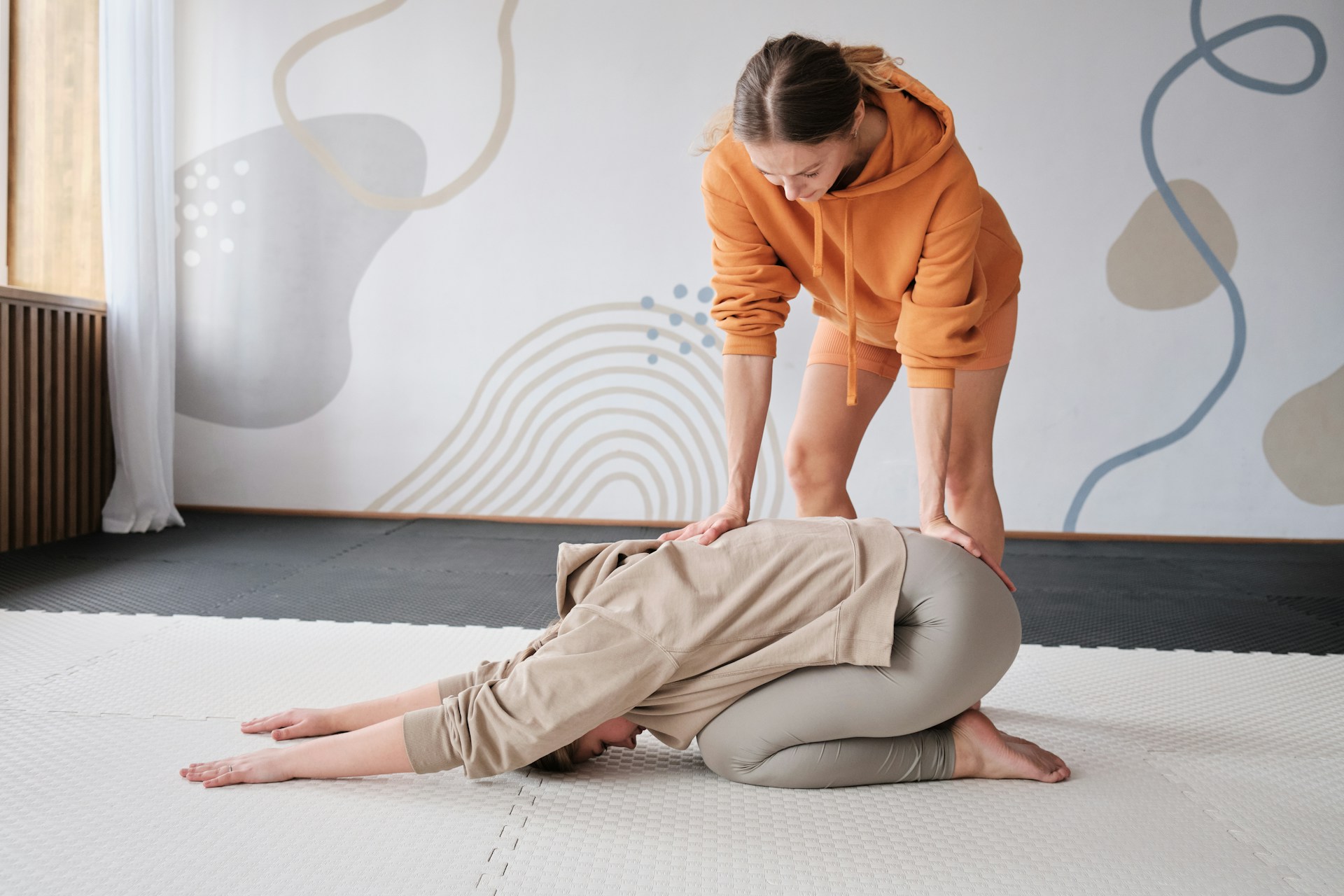
Pelvic floor physiotherapy in Toronto can support people who want to stay active, strong, and comfortable as they age. Many active adults notice changes in bladder control, core strength, or pelvic comfort over time, especially with sports, classes, or heavier workouts. These concerns can feel embarrassing, but they are common and can often be helped with proper assessment and guided care.
At Sovereign Skin, we see pelvic health as part of overall wellness. When the pelvic floor is working well, it can support exercise, daily movement, and sexual health in a way that feels steady and secure. This article explains what the pelvic floor is, how it relates to active aging, what pelvic floor physiotherapy may involve, and how it can fit into a safe, physician-supervised care plan.
Stronger from the Core: Pelvic Health for Active Aging
The pelvic floor is a group of muscles and tissues that sit like a hammock inside the pelvis. These muscles help support the bladder, bowel, reproductive organs and are part of the deep core that stabilizes the spine and hips. They also play a role in sexual function and in how we control urine and stool.
When pelvic floor muscles are working well, they can help you:
- stay dry when you cough, laugh, jump, or lift
- feel supported through your hips and lower back
- move with more control during fitness and sports
- enjoy daily activities with less worry about leaks or heaviness
As we stay active in midlife and beyond, pelvic health becomes a key part of maintaining independence, comfort, and confidence. Pelvic floor physiotherapy in Toronto offers a conservative, non-surgical approach that can sit alongside physician-supervised care. It is often aimed at helping adults keep doing the activities that they enjoy, while respecting any medical conditions or limits.
Understanding Your Pelvic Floor as You Stay Active
Many different life events and health factors can affect pelvic floor muscles over time. These can include the following:
- Pregnancy and childbirth
- Prostate or gynaecologic procedures
- Hormonal changes, such as menopause
- High-impact exercise or heavy lifting
- Ongoing constipation or chronic coughing
With more activity, some people notice:
- urinary leakage during workouts or when they rush to the washroom
- a sense of pelvic heaviness or pressure
- core instability or “wobbliness” in the midsection
- discomfort with certain movements, such as squats, running, or sitting on a bike
These symptoms are common, but they are not something that you simply have to accept. They are a signal that your body may need support. Instead of self-diagnosing, pushing through pain, or avoiding movement altogether, it is safer to be assessed by a qualified health professional who understands pelvic health.
What Pelvic Floor Physiotherapy Can Help You Address
Pelvic floor physiotherapy is focused on how the muscles, joints, and tissues in and around the pelvis are working. A pelvic floor physiotherapist can assess and help manage concerns such as:
- urinary incontinence or leakage
- symptoms related to pelvic organ prolapse, like heaviness or bulging sensations
- pelvic pain, including pain with movement or certain positions
- core weakness that affects posture, balance, and movement patterns
The goal of care is to improve function, comfort, and quality of life. This often happens through:
- education about how the pelvic floor and core work together
- individualized exercise programs for strength, relaxation, or coordination
- lifestyle strategies around bladder, bowel, and movement habits
There are no guaranteed outcomes, and pelvic floor physiotherapy is usually one part of a bigger health plan. Some people may also need medical assessment, imaging, or other therapies. Working together with physicians and other providers can help keep care safe and appropriate.
How Pelvic Floor Assessments Support Fitness Goals
A typical pelvic floor physiotherapy assessment often begins with a detailed conversation. This usually covers health history, medications, surgeries, childbirth history, exercise habits, and current symptoms. The physiotherapist may ask about your fitness goals, such as walking longer distances, lifting safely, or returning to running or sports.
The assessment may include:
- posture and movement screening, such as watching how you squat, walk, or bend
- breathing pattern evaluation to see how your ribs, abdomen, and pelvic floor move together
- gentle testing of core and hip strength and flexibility
When appropriate and with clear consent, an internal pelvic exam may be offered. This can help the physiotherapist feel how the pelvic floor muscles contract, relax, and coordinate, and can guide a more targeted exercise plan. You are always allowed to say no to any part of the assessment, and your comfort and boundaries should be respected.
The findings from this assessment can help tailor your exercise program, modify existing training plans, and reduce the risk of symptom flare-ups during running, strength training, cycling, or other activities that you enjoy. The process is collaborative, focused on understanding your body, and on setting clear next steps that support active living.
Choosing Pelvic Floor Physiotherapy in Toronto Safely
When you are choosing pelvic floor physiotherapy in Toronto, it can help to look for:
- a licensed physiotherapist in good standing
- additional training in pelvic health and internal pelvic exams
- experience working with active adults and older adults
Integrated care is also important. Speaking with a family physician or specialist may be helpful if you have:
- new or changing pelvic pain
- unexpected bleeding
- ongoing bladder or bowel changes
- a history of pelvic surgery, cancer treatment, or complex medical conditions
At Sovereign Skin in Toronto, our focus is physician-supervised medical aesthetics and wellness. Pelvic health care can fit into a coordinated plan where your medical history, current treatments, and fitness goals are considered together.
During the summer, many people in Toronto increase outdoor activities, travel, and seasonal sports. This can be a good time to think about how your pelvic floor is tolerating longer walks, bike rides, or changes in routine. Care should always stay within safe limits and should not be aimed at performance promises, but at comfort and function.
What to Expect from Treatment and Home Exercises
Once the assessment is complete, treatment plans are personalized. A pelvic floor physiotherapist may use approaches such as:
- individualized exercise programs for the pelvic floor, core, hips, and breathing
- education on bladder and bowel habits, including fluid timing and toilet positions
- strategies for posture and lifting that feel more supportive
- guidance on safe progressions back into activities like running, exercise classes, or gym training
Timelines and progress vary. Some people may notice changes over weeks, while for others it can take longer. Recommendations are based on how your body responds, any medical conditions, and how often exercises can realistically fit into your routine.
Open communication is important. Let your physiotherapist and care team know about:
- changes in symptoms, such as new pain or increased leakage
- any exercises that feel worrying or uncomfortable
- your goals, such as hiking without worry, playing with grandchildren, or feeling steadier in exercise class
This helps keep care patient-centred, respectful, and better tailored to your life.
Taking the Next Step Toward Confident Movement
If you notice pelvic floor symptoms during exercise or daily activities, it may be time to speak with a qualified health professional for an assessment. Early support can help you understand what is happening in your body and explore options that align with your health background, comfort level, and activity goals.
At Sovereign Skin, we offer a physician-supervised environment for medical aesthetics and wellness care in Toronto, and pelvic health can be part of broader conversations about active aging and safe movement. The information shared here is for general education only and is not a substitute for medical advice, diagnosis, or treatment. If you have concerns about your pelvic health, please speak directly with a licensed health professional who can review your individual situation.
Regain Everyday Comfort with Expert Pelvic Floor Care
If you are ready to address pain, leakage, or pelvic discomfort, our team at Sovereign Skin is here to help with personalized pelvic floor physiotherapy in Toronto. We will assess your concerns, explain your options in clear language, and build a plan that fits your lifestyle and goals. To discuss your symptoms in confidence or book an appointment, please contact us today.

Aesthetic Team
Sovereign Skin
Articles on the Sovereign Skin blog are written and medically reviewed by licensed aesthetic professionals with hands-on clinical experience in cosmetic injectables and skin treatments. Our team follows current medical guidelines and evidence-based practices to ensure accurate, trustworthy information that helps readers make informed decisions about aesthetic care.
