
Evaluating Pico Laser for Hyperpigmentation on Darker Skin in Toronto
Clearer, Safer Skin Goals for Deeper Skin Tones
Hyperpigmentation on darker skin can feel stubborn. Acne marks that linger, melasma on the cheeks, dark spots from sun or old bug bites, and marks from ingrown hairs often stay long after the original problem is gone. They can be hard to cover and can affect how comfortable you feel in your own skin.
Many people in Toronto with Fitzpatrick skin types IV to VI are hearing about pico laser for hyperpigmentation and wondering if it might finally help. At the same time, there is real worry about burns, new dark marks, or light patches. Those concerns are valid, especially for deeper skin tones.
As a physician-led medical spa and laser clinic, we focus on safe, evidence-informed options that fit Canada regulations and the guidelines of the College of Physicians and Surgeons of Ontario (CPSO). Here, we will walk through how pico laser works on pigment in darker skin, what it may help with, what the risks are, and how careful assessment and follow-up can make a difference.
Understanding Hyperpigmentation in Darker Skin
Melanin is the pigment that gives skin its colour. In darker skin, melanocytes, the pigment-producing cells, are more active and make more melanin. This offers some natural protection from the sun, but it also means the skin can react strongly to irritation or injury by making extra pigment.
That is why deeper skin tones are especially prone to post-inflammatory hyperpigmentation. Common triggers include acne and picking, eczema or rashes, ingrown hairs or shaving bumps, and friction or minor cuts.
In a diverse city like Toronto, we commonly see a few recurring patterns of pigmentation concerns:
- Melasma, often on the cheeks, forehead, or upper lip
- Sun-induced dark spots and uneven tone
- Post-inflammatory hyperpigmentation from acne and body breakouts
- General dullness or mottled colour from long-term sun exposure
The challenge is that the wrong treatment can actually make pigmentation worse. Strong peels, aggressive lasers, harsh at-home lightening creams, or treatments done too close together may trigger more inflammation. In darker skin, that can mean new or deeper dark patches.
This is why a proper medical assessment is so important. Under CPSO standards, a qualified provider should review your history, examine your skin in person, and decide if any laser or energy device is appropriate at all. For many deeper skin tones, the safest plan may blend several gentle options instead of relying on one aggressive tool.
How Pico Laser Technology Targets Pigment
A picosecond laser sends out very short bursts of energy measured in trillionths of a second. Instead of slowly heating the skin, it delivers quick pulses that help break pigment into tiny particles. The body can then gradually clear some of these fragments over time.
This is different from older, longer-pulse lasers or traditional Q-switched lasers that rely more on heat. Pico technology focuses more on a photoacoustic effect, which is a type of shockwave action on pigment. In simple terms, it tries to “shatter” pigment rather than cook it.
Pico laser for hyperpigmentation may help with:
- certain sun spots and age spots
- some types of post-inflammatory hyperpigmentation
- overall tone and mild textural concerns
There are limits, though. Melasma, for example, can be very tricky. Many people will still need multiple sessions, ongoing sun protection, and supportive skincare to maintain results.
For darker skin types, the theoretical advantage of pico laser is that it can deliver less surrounding heat and possibly lower the risk of collateral damage. But no laser is risk-free. Safety depends on:
- careful device choice and conservative settings
- experience with Fitzpatrick IV to VI skin
- thoughtful treatment spacing and aftercare
- honest discussion about what can and cannot be improved
Safety Considerations for Darker Skin in Toronto
Any laser on deeper skin tones must be approached with care. Possible risks:
- Post-inflammatory hyperpigmentation that is darker than the original mark
- Hypopigmentation, or lighter patches that may stand out
- Burns or blisters
- Scarring or textural changes such as roughness or dents
At a physician-led clinic, a proper evaluation before starting pico laser for hyperpigmentation should cover:
- full medical history, including past keloids or abnormal scars
- medications and topical products that could affect healing
- recent sun exposure, tanning, or sunburns
- Fitzpatrick skin type classification
- the exact kind of pigment issue present, not just “dark spots”
Canada’s regulations and CPSO guidelines expect appropriate delegation, supervision, and clear informed consent. That includes explaining realistic outcomes and that results vary, reviewing possible complications in plain language, outlining alternative options (not only laser), and being honest that no medical treatment can be guaranteed.
What to Expect from a Pico Laser Treatment Plan
At a medical spa and laser clinic, the process usually starts with an unhurried consultation. We look closely at your skin in good light, ask about your history with pigment and previous treatments, and discuss your goals. For darker skin, patch testing on a small area is often wise before treating the full face.
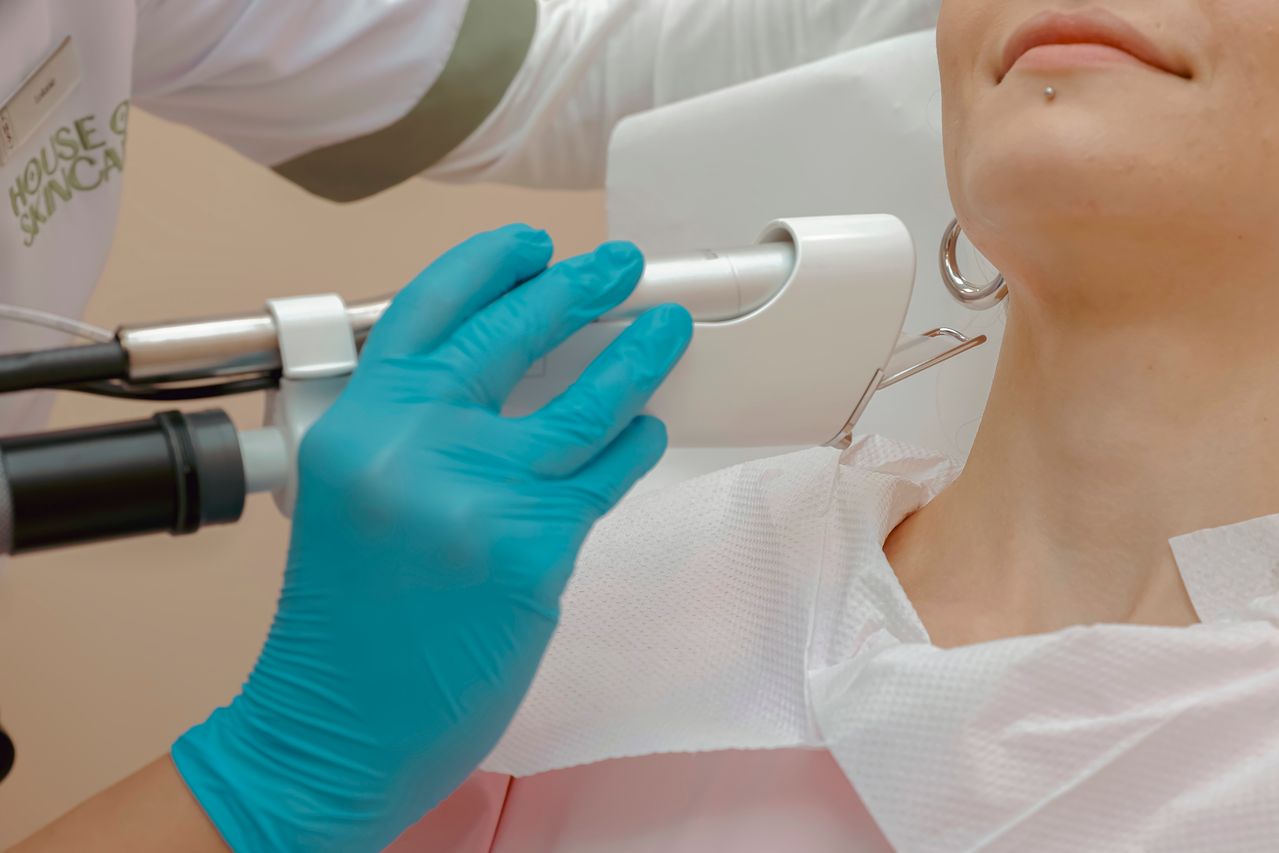
A typical pico laser visit may include the following:
- Cleansing the skin and taking photos for medical records
- Applying numbing cream, if appropriate
- Using cool air or contact cooling to keep skin comfortable
- Short pulses of light that may feel like a rubber band snap
Most sessions are fairly quick, though plan extra time for preparation and aftercare instructions. After treatment, you may notice:
- redness or darkening of spots that can last a few days
- mild swelling or a “sunburn” feeling for a short time
- little to no open wounds if parameters are conservative
For people juggling work, school, or social events in a busy city, this lower downtime can be helpful, but it still needs planning around sun exposure.
Aftercare is a big part of reducing risk and supporting results. We usually stress:
- daily broad-spectrum sunscreen, reapplied when outdoors
- gentle, non-irritating cleansers and moisturizers
- avoiding harsh scrubs, strong actives, and fragranced products on treated areas
- attending follow-up visits so we can monitor your response and adjust settings or timing as needed
Alternatives and Combination Approaches for Pigment
Pico laser is only one tool among many. For some darker skin types, other options alone or in combination may be safer or more effective over time, such as:
- medical-grade skincare including prescription creams and non-prescription brightening ingredients
- chemical peels that are specifically chosen and modified for deeper tones
- microneedling to help texture and some pigment, when appropriate
- other lasers or light-based devices used with very careful settings
In many Toronto medical spas, combination treatment plans are common for stubborn pigmentation. The key is that they must be individualized. For darker skin, stacking too many strong treatments too quickly raises the risk of irritation and new hyperpigmentation.
Under CPSO-guided care, providers are expected to:
- avoid one-size-fits-all laser protocols
- adjust or stop treatment if the skin reacts badly
- document progress and any side effects clearly
- put long-term skin health ahead of rushing results
Taking the Next Step Toward Even, Healthy Skin
If you have a deeper skin tone and are curious about pico laser for hyperpigmentation, the safest next move is not to book a session based only on social media photos. A thoughtful, in-person medical assessment is important to see if your skin, your pigment type, and your lifestyle are a good match for this technology.
At Sovereign Skin in Toronto, our physician-led team focuses on evidence-informed care, careful documentation, and treatment plans that respect Canada regulations and CPSO expectations. We work with a wide range of skin tones, including Fitzpatrick IV to VI, and we take time to explain benefits, limits, and alternatives so you can make an informed choice about your skin.
Reveal Clearer, More Even Skin with Targeted Laser Care
If dark spots or uneven tone are affecting your confidence, we can help you plan a personalized treatment approach using pico laser for hyperpigmentation. At Sovereign Skin, we carefully assess your skin and goals so we can recommend safe, effective options that fit your lifestyle. To discuss your concerns, treatment expectations and pricing, simply contact us and book a consultation with our team.

Aesthetic Team
Sovereign Skin
Articles on the Sovereign Skin blog are written and medically reviewed by licensed aesthetic professionals with hands-on clinical experience in cosmetic injectables and skin treatments. Our team follows current medical guidelines and evidence-based practices to ensure accurate, trustworthy information that helps readers make informed decisions about aesthetic care.
