
Post-Laser Pigmentation Prevention in Toronto: PIH Risk and 6-Week Protocol
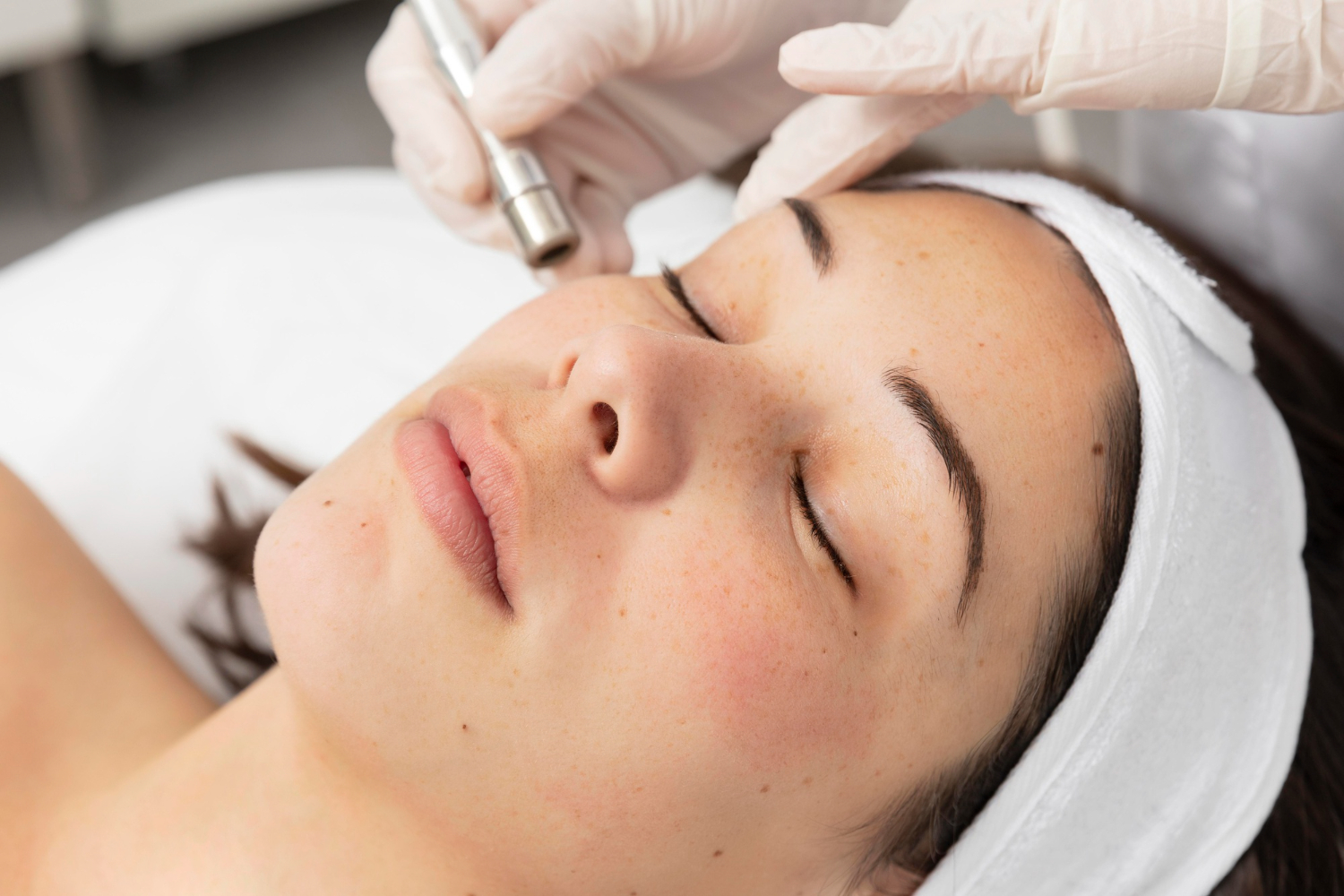
Laser can give smoother, brighter skin, but it also creates a short period of controlled injury. During that time, some people develop dark patches where the skin is healing. This is called post-inflammatory hyperpigmentation (PIH), and it is one of the most common concerns after laser treatment, especially for people with medium to deeper skin tones.
The risk of PIH can often be lowered with proper planning, appropriate device settings, and a clear skincare plan before and after treatment. In an appropriately supervised medical setting, care should be guided by Canada regulations and the expectations of the College of Physicians and Surgeons of Ontario (CPSO), including assessment, informed consent, and follow-up. This article provides general information on who is most at risk for PIH after laser, how local climate and habits matter, and an example of a simple 6-week protocol to help support even-toned, healthy-looking skin.
This information is intended for general educational purposes only and is not a substitute for individualized medical advice, diagnosis, or treatment. Decisions about laser treatment and aftercare should always be made in consultation with a qualified health-care professional who can assess you in person.
Understanding PIH and How Laser Affects Pigment
Post-inflammatory hyperpigmentation is a darkening of the skin that happens after irritation, heat, or injury. With laser, the heat energy that targets pigment or water in the skin can trigger melanocytes, the pigment-producing cells, to make extra melanin. This shows up as brown or grey-brown marks where the skin was treated or inflamed.
PIH is different from a burn. It is usually:
- flat, not raised or blistered
- brown or greyish, not bright red or raw
- longer-lasting than simple redness and can be slow to fade
When skin is inflamed, melanocytes can become more active. Certain laser wavelengths, higher energy settings, or repeated passes can increase heat in the skin. If the skin barrier is weakened or if there is strong sun exposure during healing, the chance of pigmentation changes goes up.
Not every laser behaves the same way, and not every skin type responds in the same way. For safer treatment, it is important that:
- the device is appropriate for your skin type
- settings are chosen carefully
- an experienced physician or an appropriately trained clinician supervises care
Before any laser treatment, a careful consultation should cover your medical history, skin type, medications, past pigment problems, and any history of dark marks after acne or injuries. This helps estimate your risk of PIH and guides a safer treatment plan. Appropriate assessment and risk discussion are consistent with CPSO expectations around informed consent and patient-centred care.
Who Is Most at Risk for PIH After Laser
Some people are naturally more prone to pigment changes after inflammation. Higher-risk groups:
- Fitzpatrick IV to VI: often olive, brown, or deeper complexions
- People who already have melasma or stubborn dark marks from acne
- Individuals who notice that bug bites, cuts, or waxing often leave dark spots
Lifestyle and environment also matter, especially in areas where summer UV can be strong. Risk can increase if:
- you spend a lot of time outdoors, especially midday
- you are near water or reflective surfaces, like pools or glass buildings
- you use sunscreen only sometimes or forget to reapply
Other medical and product-related factors:
- Recent tanning or sunbed use, including self-tanners that mask your true skin tone
- Photosensitizing medications, which can make skin more reactive to light
- Aggressive home exfoliants, scrubs, or strong retinoids used too close to treatment
- Hormonal conditions that already drive pigment issues
Safe laser treatment should always include appropriate patient selection, test spots when needed, and clear discussion about risks and expected results. This aligns with CPSO expectations around risk disclosure, informed consent, and professionalism in patient care.
An Example 6-Week Skincare Protocol to Help Support PIH Prevention
This protocol is a general example only and is not medical advice. Your own plan should be created with a qualified professional who has examined your skin and is familiar with your medical history.
Weeks -1 to 0: Pre-Laser Preparation
Focus on calming, protecting, and supporting your skin barrier:
- Use a gentle, fragrance-free cleanser, morning and night
- Apply a simple, non-comedogenic moisturizer
- Wear broad-spectrum SPF 30 or higher every day, even if it is cloudy
- Avoid new, untested products that could irritate your skin
Your treating physician or health-care provider may ask you to stop:
- retinoids, acids, or scrubs a set number of days before treatment
- tanning, both natural and artificial
- certain products that thin or irritate the skin
Sun avoidance is important. When possible, consider planning your treatment for a time when you can reduce outdoor exposure for at least the first 1 to 2 weeks afterward.
Days 0 to 7: Acute Healing Phase
Right after laser, the skin is more open and sensitive. Simple, gentle care is usually recommended.
General tips:
- Use cool (not icy) compresses, if recommended by your provider
- Cleanse very gently with lukewarm water and a mild cleanser
- Apply a bland emollient or moisturizer, as directed
- Protect your skin from heat and friction
Avoid:
- Saunas, steam rooms, and very hot showers
- Scrubs, brushes, or exfoliating devices
- Picking, rubbing, or scratching any flaking or crusting
- Active ingredients unless specifically prescribed, such as certain physician-directed creams
Sun protection should be strict: broad-spectrum SPF, hats with a brim, and shade whenever possible.
Weeks 2 to 4: Recovery and Pigment Monitoring
By this point, the surface usually feels more settled, though deeper healing continues. If your clinic or provider clears you, you may slowly introduce gentle actives that can support an even tone, such as:
- low-strength niacinamide
- azelaic acid in mild formulation
These should never replace or interfere with any products prescribed by your physician. Priority always goes to the post-laser plan given by your clinic or health-care provider.
Watch for early signs of PIH:
- Areas that look brown or grey-brown rather than pink or light red
- Dark patches that seem to match where the laser passed
If you see changes that worry you, follow up promptly with your clinic or provider. Ongoing follow-up and continuity of care are important parts of safe, patient-centred practice.
Weeks 5, 6: Consolidating Results
At this stage, many people move into a steady routine that helps maintain results and lower future pigment risk.
Key habits:
- Daily, consistent broad-spectrum sunscreen
- A gentle cleanser and dependable moisturizer
- Pigment-safe actives, if appropriate for your skin type and approved by your provider
If more laser sessions are planned, your physician or qualified provider will usually space them based on your treatment goals, healing pattern, and any pigment response. All care should be personalized and guided by a health-care professional who has assessed you in person.
Sun Safety and Seasonal Considerations
A treatment date in late spring or through the summer months calls for extra care. The UV index is often higher, days are longer, and there are more outdoor events and trips.
Smart sun habits:
- Avoiding peak sun hours when possible
- Wearing wide-brimmed hats and UV-protective sunglasses
- Seeking shade on patios, at parks, and near water
For sunscreen:
- Choose broad-spectrum SPF 30 or higher
- Pick water-resistant products if you will sweat or swim
- Apply generously and reapply about every 2 hours when outdoors
There are mineral and tinted formulas that work better for different skin tones and can reduce white cast, which often helps people stick with daily use.
Common myths after laser:
- Makeup with SPF is enough on its own
- A quick tan will “blend” dark patches
- Once redness fades, sun protection is no longer needed
In reality, these habits can increase PIH risk. Clear, written, and verbal aftercare instructions from your treating clinic or health-care provider are an important part of safe, respectful care.
When to Contact Your Clinic or Health-Care Provider
After laser, it is important to know when to ask for a professional review. Contact your clinic or provider if you notice:
- blistering or open skin that you did not expect
- severe or worsening swelling
- rapidly darkening or patchy pigment
- any symptom that worries you or feels unusual
Trying to self-treat with strong at-home acids or bleaching products can make PIH worse, especially when the skin barrier is still fragile.
In a medically supervised setting, laser care should include careful device choice, test spots when appropriate, and tailored settings for different skin types. If PIH does appear, there are evidence-informed options, including specific topical plans and procedural strategies, that may be considered based on your skin and medical history.
A one-on-one consultation with a qualified health-care professional allows for review of your skin type, past pigment issues, medications, and lifestyle and for timing laser treatment appropriately. From there, you and your provider can develop an individualized plan that supports clear, even-toned skin while aligning with Canada’s regulations and CPSO guidelines regarding safe practice, informed consent, and follow-up.
Protect Your Skin After Laser with Personalised Medical Guidance
If you are considering laser treatment in Toronto and want to lower your risk of post-inflammatory hyperpigmentation, we can tailor a plan that respects your skin type, lifestyle, and goals. At Sovereign Skin, our physician-led team will review your history, assess your PIH risk, and recommend a realistic 6-week skincare protocol before and after treatment. We focus on informed consent, safety, and clear expectations so that you understand each step of your care. To book a consultation and discuss whether laser is appropriate for you, please contact us.

Aesthetic Team
Sovereign Skin
Articles on the Sovereign Skin blog are written and medically reviewed by licensed aesthetic professionals with hands-on clinical experience in cosmetic injectables and skin treatments. Our team follows current medical guidelines and evidence-based practices to ensure accurate, trustworthy information that helps readers make informed decisions about aesthetic care.
