
Acne Facial Escalation Path in Toronto: Topicals, Hormones, or Isotretinoin
When Acne Facials Are Not Enough Anymore
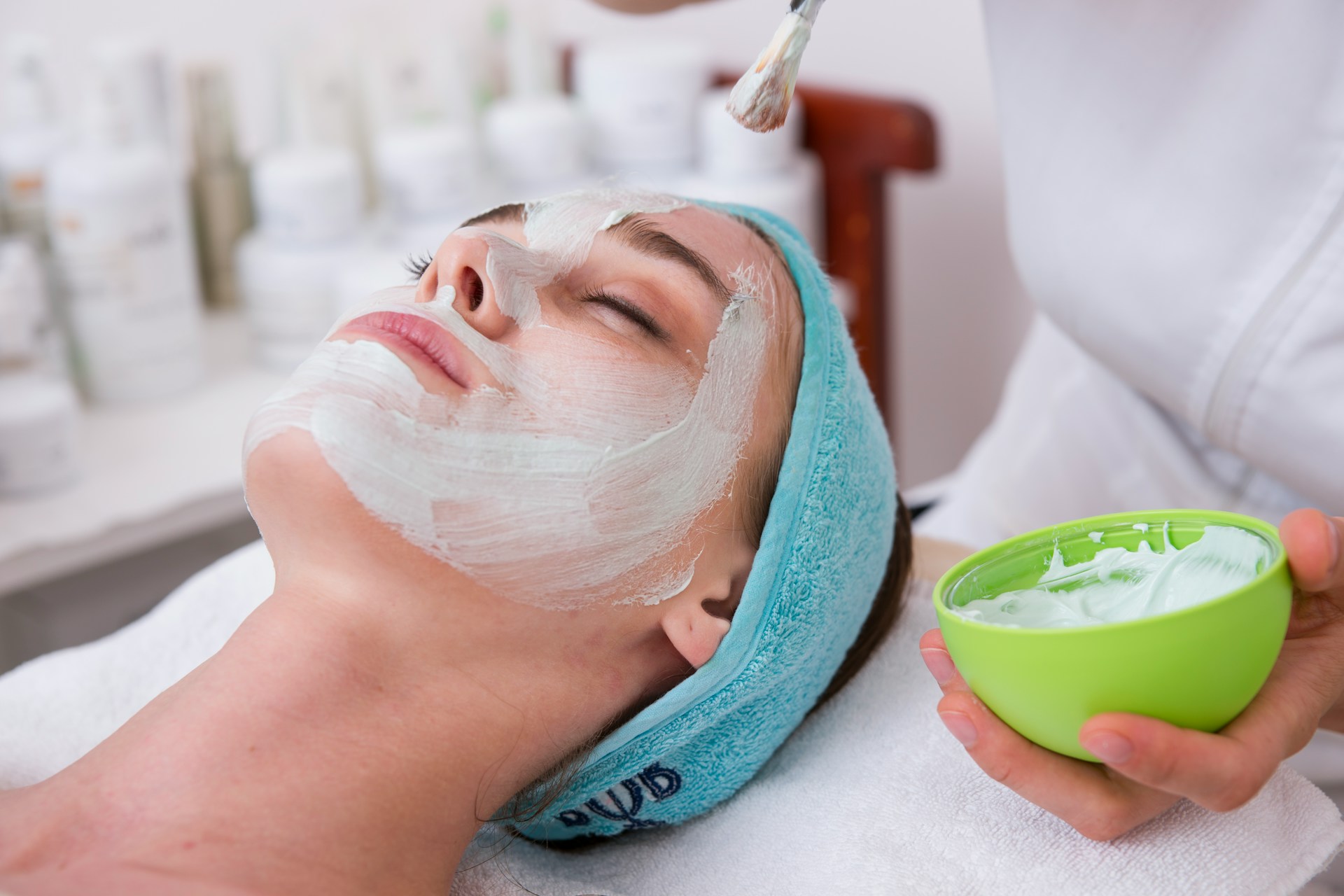
An acne facial in Toronto usually starts with a gentle cleanse, some form of mild exfoliation, careful extractions, and calming products to soothe the skin. In some clinics, there may be light-based devices or antibacterial steps added to help reduce surface bacteria and redness. These treatments can support skin health, keep pores clearer, and make breakouts feel more under control.
However, acne facials are not a cure for moderate or severe acne. They cannot change hormones, genetics, or deeper inflammation on their own. They are best understood as supportive cosmetic treatments, not a complete medical plan. When breakouts keep coming back, medical care from a qualified prescriber often has to be added.
In medical aesthetics and dermatology in Ontario, acne management is typically approached as a step-by-step process under the direction of a physician or nurse practitioner. Gentle skincare and in-clinic cosmetic treatments may be used alongside, but prescription creams and, when necessary, oral medications such as hormonal therapy or isotretinoin are prescribed and monitored only by qualified prescribers. Timing matters, because waiting too long can raise the risk of permanent scars and lingering dark or red marks, especially when UV exposure increases in spring and summer.
How to Know Your Acne Facial Needs Medical Backup
There are some clear signs that an acne facial in Toronto, plus over-the-counter products, is no longer enough. You might notice that your skin feels stuck or even worse after months of effort.
It is time to consider medical support if you notice any of these:
- Breakouts that stay about the same or worse for 3 to 6 months
- Deep, painful cysts or nodules under the skin
- New or worsening pitted scars or raised scars
- Brown or red marks that take a very long time to fade
- Acne that is strongly affecting your mood, confidence, or social life
A proper medical assessment is especially important if:
- you have acne on your chest or back as well as your face
- your periods are irregular, or you notice sudden adult-onset acne
- your acne clearly flares before your cycle or with heavy stress
- masks, helmets, or work gear seem to trigger frequent breakouts
In Ontario, only a physician or nurse practitioner can assess and diagnose acne for the purpose of prescribing medications. A medical visit allows a CPSO-regulated prescriber to rule out other skin conditions, review possible triggers, and build a plan that fits your skin, health history, and lifestyle.
Spring is a sensible time to reassess. More outdoor activity, sweat, humidity changes, and heavier sunscreen use can all clog pores. Adjusting your plan before summer, under appropriate medical guidance when needed, may help prevent a sudden spike in breakouts and pigment changes once the sun gets stronger.
Adding Prescription Topicals After Acne Facials
Prescription topical treatments are often the next logical step when cosmetic facials alone are not enough. These creams and gels can target several acne causes at once, especially when combined with ongoing gentle in-clinic care that does not irritate the skin.
Common prescription topicals:
- Retinoids, to help keep pores from clogging and support skin turnover
- Topical antibiotics, to calm bacteria and inflammation
- Combination products with benzoyl peroxide, to reduce acne-causing bacteria
At a CPSO-regulated medical clinic, a physician or nurse practitioner will first gather a full medical history before prescribing. This typically includes a review of:
- current skincare products and previous acne treatments
- skin sensitivities or history of eczema, allergies, or rosacea
- pregnancy or breastfeeding status now or in the near future
- work, exercise, and lifestyle habits that might affect your skin
A typical step-up strategy might look like this: a prescriber starts with one topical prescription, often at night, and may adjust how often you apply it to keep irritation low. Cosmetic treatments such as gentle facials or hydrating treatments can sometimes continue if they support the skin barrier instead of stripping it. Your response is usually monitored over about 8 to 12 weeks, since acne takes time to improve. If results are limited, the prescriber may adjust the product, add another topical, or discuss oral options.
When Hormonal Therapy Makes More Sense than More Facials
Sometimes the pattern of acne suggests that hormones are playing a significant role. Hormonal acne often shows up along the jawline, chin, and lower cheeks. It may flare right before a period or be linked to conditions like polycystic ovary syndrome.
If your acne:
- peaks around your cycle every month
- started in adulthood without a teenage history
- comes with irregular periods or extra hair growth
then it may be appropriate to discuss the possibility of hormonal therapy with a physician or nurse practitioner, rather than only adding more facials.
In Canada, physicians or nurse practitioners may prescribe certain oral contraceptive pills or anti-androgen medications for acne, when they are appropriate. These options are not suitable for everyone, which is why a careful medical assessment and informed consent process are essential.
Before prescribing, the prescriber should review the following:
- Personal and family history of blood clots, strokes, or heart issues
- Migraines, high blood pressure, and smoking status
- Other medications or health conditions
- Your goals, concerns, and comfort level with hormonal options
Patients should receive a clear explanation of benefits, risks, and alternatives. Regular follow-up helps the prescriber check blood pressure if needed, review side effects, and decide if the treatment is working well enough to continue.
Isotretinoin and Advanced In-Clinic Support
Isotretinoin is an oral vitamin A derivative used for moderate to severe acne or acne that causes or risks significant scarring. It is a strong medication and is reserved for cases where other treatments did not work well enough or are not suitable. Only a qualified prescriber (physician or nurse practitioner acting within their scope) can start and monitor isotretinoin, with lab work and careful follow-up in line with Canada’s standards of care and CPSO expectations.
Typical key safeguards:
- Strict pregnancy prevention and regular pregnancy testing for anyone who can become pregnant, often including the use of reliable contraception before, during, and for a period after treatment, as advised by the prescriber
- Lab monitoring as directed, such as liver function and lipids
- Detailed counselling on possible side effects, including dryness, sun sensitivity, and potential mood changes
- Clear instructions on moisturizers, lip balm, and sun protection
While on isotretinoin, skin is more delicate. Some in-clinic cosmetic treatments may be used cautiously, such as:
- gentle hydrating facials with non-irritating products
- low-intensity LED light to support calming and healing
Other treatments usually need to be avoided or delayed, including strong chemical peels, microneedling, and certain lasers. These are often postponed until after the course is complete and the prescriber confirms that it is safe based on up-to-date evidence and your skin’s condition.
Choosing in-Clinic Treatments that Truly Help Acne
Beyond a basic acne facial in Toronto, several medical aesthetic options can support clearer-looking skin and help with marks or scars once breakouts are under better control. These procedures are cosmetic and should not be viewed as a substitute for medical management when prescription therapy is indicated.
Some common choices:
- Chemical peels to help shed dead skin cells and improve texture
- Blue and red LED light to target bacteria and inflammation
- Medical-grade facials for deep yet gentle cleansing and hydration
- Microneedling for acne scars and texture once active acne is stable
- Specific lasers to help with redness, broken vessels, or dark spots
The most appropriate treatment depends on:
- how active and inflamed your acne is
- your natural skin tone and tendency to pigment
- any prescription medications you use, including isotretinoin
- your comfort level with downtime and sun protection
Spring and summer planning is especially important. Peel strength may be lowered, and hats, sunscreen, and shade are often emphasized to protect healing skin and reduce the chance of post-inflammatory hyperpigmentation. A customized plan, developed with clear separation between cosmetic services and medically necessary care, allows adjustments in timing, device settings, and at-home care so treatments support your skin instead of overwhelming it.
Your Next Step Toward Clearer Skin in Toronto
If you have been relying on regular acne facials but still see constant breakouts, scars, or stubborn marks, it may be time to seek medical guidance from a CPSO-regulated prescriber. At Sovereign Skin in Toronto, physicians and nurse practitioners provide physician-directed, evidence-informed care that is intended to align with Canada’s regulations and CPSO expectations, while non-physician team members provide supportive cosmetic services within their scope of practice.
Escalation does not have to mean jumping straight to oral medication. For many people, the best path is a gentle progression under appropriate medical supervision: continue supportive facials if suitable, add prescription topicals when indicated, consider hormonal therapy when the pattern fits, and reserve isotretinoin for the right cases. Bringing a list of your skincare products, medications, and specific concerns to your consultation helps the medical team build a practical plan that blends at-home care, in-clinic cosmetic treatments, and medical therapies.
This information is provided for general educational purposes only and is not a substitute for individualized medical advice, diagnosis, or treatment. For assessment and treatment recommendations that are appropriate for you, please consult a physician or nurse practitioner licensed in your jurisdiction.
Reveal Clearer, Healthier Skin with Expert Care
If breakouts or lingering marks are affecting your confidence, our team at Sovereign Skin is here to help you take the next step. Start by exploring how an acne facial in Toronto can be tailored to your skin’s unique needs. We will work with you to design a personalised treatment plan that supports both immediate results and long-term skin health. Ready to talk through your options or book a visit? Simply contact us and we will follow up to schedule a time that works for you.

Aesthetic Team
Sovereign Skin
Articles on the Sovereign Skin blog are written and medically reviewed by licensed aesthetic professionals with hands-on clinical experience in cosmetic injectables and skin treatments. Our team follows current medical guidelines and evidence-based practices to ensure accurate, trustworthy information that helps readers make informed decisions about aesthetic care.
