
Evaluating Under Eye Dark Circles Laser Treatment in Toronto Safely
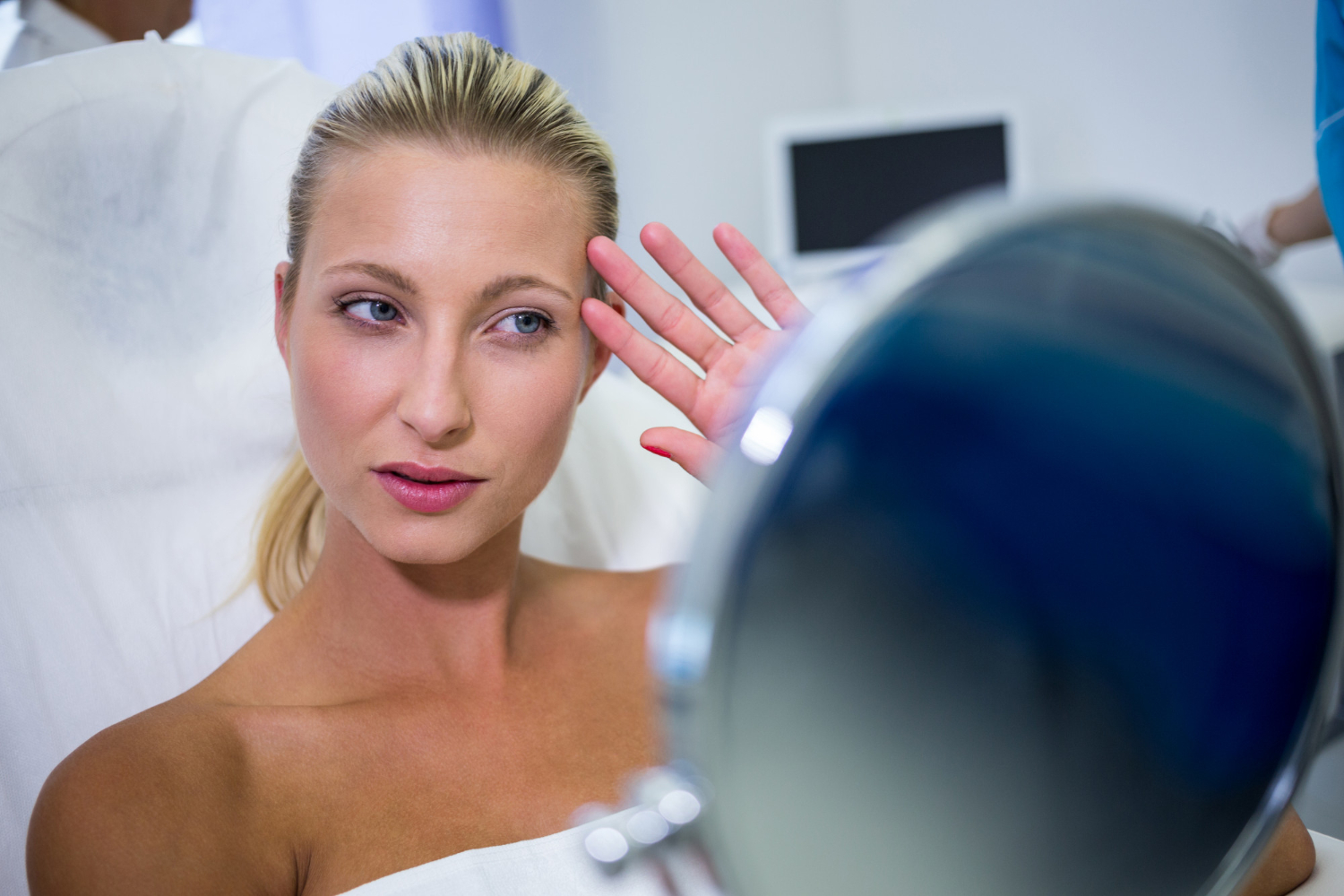
Restore a Fresher Look Under Your Eyes
Under-eye dark circles can make you look tired, even when you feel fine. They can affect confidence at work, in photos, or during social events, especially after a busy Toronto summer and as fall gatherings start to fill the calendar.
One option that some people ask about is laser treatment for under-eye dark circles. For some people, it may help soften shadows and brighten the area, but it is not the right choice for everyone. It also never replaces a proper medical assessment.
Here, we will talk about how to think through laser as a possible option, what safety means in a Canada medical setting, and how to look for a Toronto clinic that respects College of Physicians and Surgeons of Ontario (CPSO) expectations and Health Canada standards.
Why Dark Circles Happen in the First Place
Dark circles are not all the same. The cause of your under-eye dark circles might be very different from someone else sitting next to you on the subway. Common factors:
- Genetics and natural bone structure
- Extra pigment in the skin
- Visible blood vessels under the surface
- Thin or crepey skin that shows what is under it
- Volume loss, which creates hollows and shadows
- Allergies, rubbing, or irritation
- Lifestyle factors like poor sleep, dehydration, or stress
- Natural changes with age
Many people have a mix of these causes at the same time, which is why one single treatment, including laser, rarely solves everything.
Getting the diagnosis right is very important before thinking about laser treatment for under-eye dark circles. If the main problem is volume loss, for example, laser alone may not help much. If skin is prone to pigment changes, the wrong approach could increase the risk of darkening, called hyperpigmentation.
In Ontario, CPSO expectations include an appropriate medical assessment before a procedure. That means taking a detailed history, doing a close examination of the under-eye area and the rest of the face, and ensuring proper documentation of findings and treatment plans. This step is not just paperwork. It is what keeps treatments safer and more targeted.
How Under-Eye Laser Treatments Actually Work
Lasers and other energy-based devices can be used around the eyes in different ways. While each device is unique, most under-eye plans aim to do one or more of the following:
- Target unwanted pigment in the skin
- Support collagen, which can improve firmness
- Smooth texture and refine tone so light reflects better
When dark circles are partly due to pigment, certain laser settings may help break up that pigment over a series of sessions. When thin skin and fine lines are a big part of the problem, treatments that support collagen may slowly make the area look smoother and less shadowed.
Results are usually gradual and modest, rather than dramatic. Most people see a fresher, less tired appearance as the area brightens or softens, along with smoother texture and slightly firmer skin. The goal is improvement, not a complete change.
Most Toronto patients need multiple sessions spaced several weeks apart, and lasers are often combined with other supportive measures, such as:
- medical-grade skin care for pigment or texture
- injectables for volume loss or hollows
- lifestyle strategies around sleep, allergies, and sun exposure
A thoughtful plan is always customized. The goal is to match the device, settings, and timing to your skin type, your concerns, and your safety profile.
Safety First When Considering Laser Treatment in Toronto
The under-eye area is delicate. The skin is thin and close to the eyeball, so safety details matter even more than in other areas of the face.
Key safety points:
- Proper eye protection for both you and the provider
- Conservative laser settings that respect thin under-eye skin
- Careful technique to avoid direct exposure to the eye itself
For Canada patients, it is important to ask about medical oversight and regulatory standards. This includes medical supervision by a CPSO-regulated physician, with any delegation to other regulated health professionals occurring within their legal scope of practice and under appropriate medical directives. It also includes confirming CPSO-registered physicians for clinics based in Ontario, and ensuring that devices are Health Canada-approved and are used according to guidelines. Clear infection control and cleaning protocols should also be in place.
A reputable Toronto clinic will also set expectations and support you through the process by covering the following:
- Explain common side effects like temporary redness, swelling, or pigment change
- Discuss rare risks such as blistering or scarring in plain language
- Provide detailed aftercare instructions
- Offer accessible follow-up if you have concerns or unexpected reactions
Informed consent is more than a form. It should feel like a real conversation where you can ask questions and take time to decide.
Who May Not Be a Good Candidate for Laser
Laser treatment for under-eye dark circles is not safe or ideal for everyone. It may be limited or not advised with any of the following:
- Certain medical conditions affecting skin healing
- Active infections, rashes, or cold sores near the treatment area
- Recent tanning, including sunbeds or self-tanner on the area
- Medications that increase sensitivity to light
- Pregnancy or breastfeeding, depending on provider policy and current evidence
- A known very high risk of pigment changes
People with darker skin tones may still be candidates, but extra caution is needed. This typically means choosing providers who have experience with a wide range of skin tones, using careful selection of devices and settings, and sometimes opting for alternative treatments or a slower, staged plan.
An in-person consultation with a qualified physician or with another regulated health professional working under an appropriate medical directive is typically needed to decide if laser is right for you. In some situations, a virtual assessment may be used when it meets CPSO expectations for telemedicine and is clinically appropriate, but it does not replace an in-person examination when one is required for safe care.
This kind of article is for general education only. It cannot replace a one-on-one medical opinion or diagnosis.
Setting Realistic Expectations for Results
Under-eye laser results take time. Most people notice changes slowly, over weeks and months, not days. It usually looks like “you on a better day” rather than a completely different face.
Timelines often include these:
- Mild brightening or smoothing after early sessions
- More visible results after several visits
- Ongoing changes for weeks after the last treatment as collagen develops
Your outcome depends on several factors, including:
- your age and overall skin quality
- your skin type and natural pigment level
- the true cause of your dark circles
- how well you follow aftercare instructions
- supportive steps, like daily broad-spectrum sunscreen, gentle skin care, and managing sleep or allergies
A professional clinic will help you set grounded expectations. This usually includes showing before-and-after photos from similar cases (shared with consent), talking clearly about the range of likely outcomes rather than only best-case results, explaining that maintenance may be needed, and being honest if another treatment, or a combination plan, is a better option than laser alone.
As seasons change and sun exposure often drops, some people find fall a practical time to start facial treatments. Even on cooler, cloudy days in Toronto, daily sunscreen around the eyes remains very important after any laser work.
Choosing a Toronto Clinic You Can Trust
If you are thinking about laser treatment for under-eye dark circles, choosing where to go is just as important as choosing the treatment itself.
Helpful steps:
- Checking that the supervising physician is registered with the CPSO
- Confirming who will perform the procedure, their professional designation, and that they are working within their legal scope of practice under appropriate medical oversight
- Reading how the clinic talks about risks and aftercare, not only benefits
During your consultation, you might ask:
- which device will be used and whether it is approved for use in Canada
- how often they treat under-eye dark circles and what kinds of cases they see
- what protective eye measures are used during treatment
- how side effects and complications are handled
- who you contact if something feels off
At Sovereign Skin in Toronto, we focus on non-surgical, medically supervised treatments such as skin, laser, and injectables tailored to individual concerns. When someone visits us to talk about dark circles, we take time to understand their history, examine the area carefully, and review all suitable options. Laser is suggested only if it fits their skin, their goals, and their safety needs, and all care is provided in accordance with CPSO guidelines and Canada regulations.
Refresh Tired Eyes with Targeted Laser Care
If under-eye shadows are making you look more fatigued than you feel, our team at Sovereign Skin is ready to help you explore safe, effective options. Learn how our specialized laser treatment for under-eye dark circles can be tailored to your skin and concerns. We will walk you through what to expect, including realistic timelines and outcomes, so you can make a confident decision. To schedule a personal consultation, simply contact us today.

Aesthetic Team
Sovereign Skin
Articles on the Sovereign Skin blog are written and medically reviewed by licensed aesthetic professionals with hands-on clinical experience in cosmetic injectables and skin treatments. Our team follows current medical guidelines and evidence-based practices to ensure accurate, trustworthy information that helps readers make informed decisions about aesthetic care.
