
RF Microneedling Recovery Timeline in Toronto: Week-by-Week Healing Guide
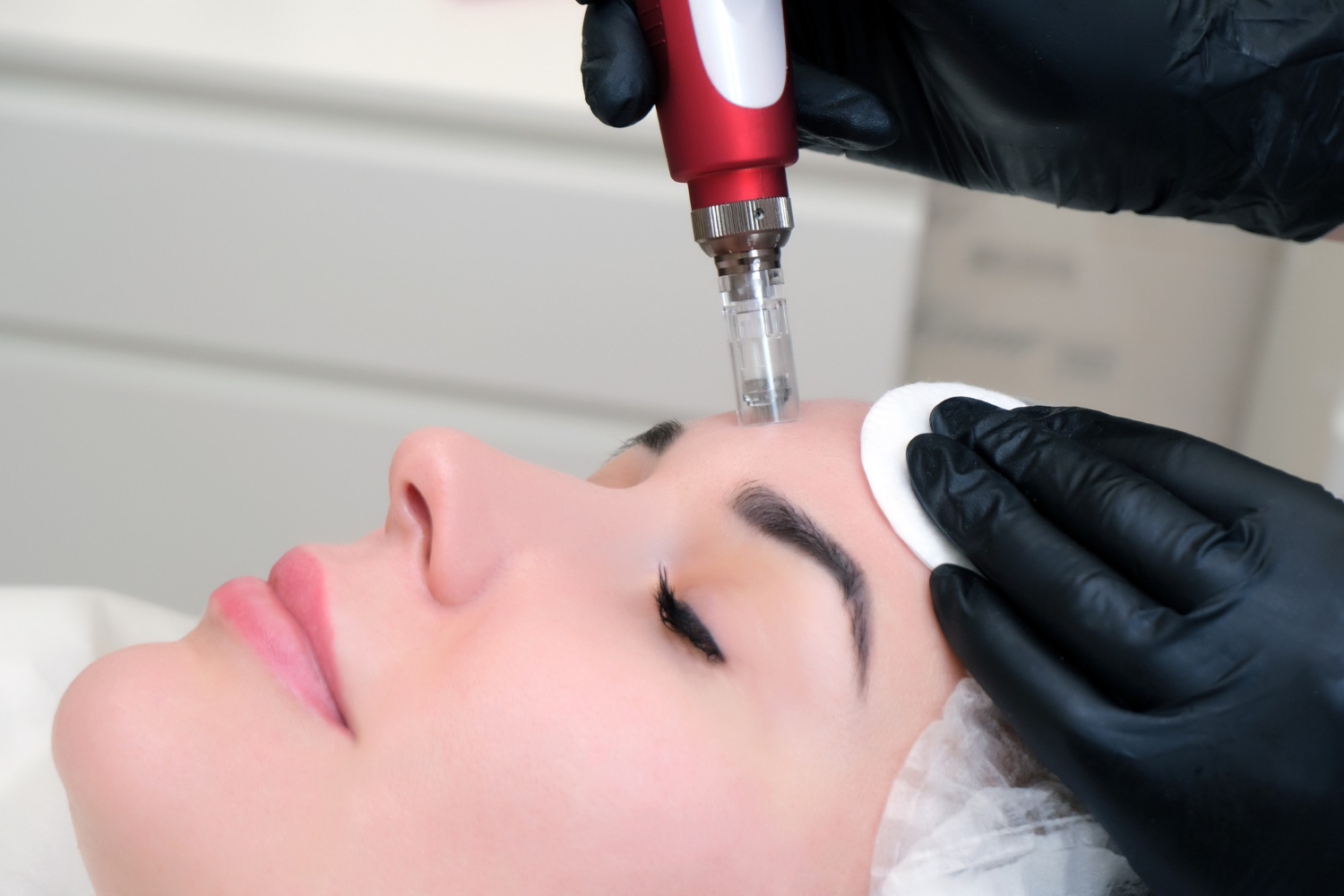
What to Expect After RF Microneedling in Toronto
Radiofrequency (RF) microneedling in Toronto is a non‑surgical medical procedure that some people consider for smoother‑looking skin texture, softer‑appearing fine lines, and the appearance of improved acne scars, while usually avoiding a long break from work or social life. It combines tiny needles with radiofrequency energy to create controlled micro‑injuries in the skin. This can trigger your body’s own repair process and support collagen production over time, but individual responses vary, and results cannot be guaranteed.
In Ontario, any procedure that intentionally punctures the skin to perform a cosmetic service is considered a controlled act when performed for a therapeutic, cosmetic, or other health‑related purpose. RF microneedling should only be performed by, or under the appropriate delegation and supervision of, an authorized regulated health professional in accordance with Ontario law and College of Physicians and Surgeons of Ontario (CPSO) expectations.
Here at Sovereign Skin, we find that people are usually the most concerned about what happens after the treatment, not during it. How will you look? When can you wear makeup? When do results show? This guide focuses on typical, week‑by‑week recovery so that you can plan your treatments with realistic expectations. Every person heals differently, and nothing here replaces the specific instructions from your own Ontario‑regulated health‑care provider.
RF microneedling is not suitable for everyone, and there are potential risks and side effects. Before proceeding, you should have a comprehensive medical assessment, discuss alternatives, and provide informed consent in line with CPSO guidance.
The First 48 Hours: Redness, Swelling, and Comfort
Right after RF microneedling, your skin often looks and feels like you have a moderate sunburn. This is a common and expected response. It may include the following:
- Redness or pinkness
- Mild swelling, especially on the cheeks or around the eyes
- Warmth or heat in the skin
- Tightness or mild tenderness
- Tiny pinpoint marks where the needles entered
These changes are usually temporary and start to settle within the first couple of days. Many people feel well enough to return to regular daily tasks, but they may prefer a day or two before close social events.
Your treating professional should give you a written aftercare plan. For safe at‑home care, your clinic may suggest these:
- Gentle, fragrance‑free cleanser with cool or lukewarm water
- Clean hands when touching your face
- Cool compresses, if your provider says they are safe for you
- Strict sun avoidance and physical shade
- Broad‑spectrum sunscreen if you must go outside (once your provider confirms that it is appropriate to apply)
Most providers ask you to avoid makeup for at least 24 hours, sometimes longer, until the skin surface looks intact. Active skincare like retinoids, acids, scrubs, or strong vitamin C serums should be avoided unless your clinician gives clear approval.
Try to avoid:
- intense workouts and heavy sweating
- hot tubs, saunas, steam rooms, or very hot showers
- tanning beds or direct midday sun
- picking, rubbing, or scrubbing the treated skin
- using non‑prescribed creams or home treatments on the area
Although many people experience only mild, temporary reactions, RF microneedling does carry risks, including infection, prolonged redness, swelling, post‑inflammatory hyperpigmentation or hypopigmentation, scarring, burns, or changes in skin texture. If you notice pain that is getting worse, spreading redness, unusual discharge, blistering, or swelling that does not match what your provider told you to expect, contact your treating clinic or a physician promptly or seek urgent care if you are concerned.
Days 3 to 7: Flaking, Texture Changes, and Makeup Timing
By Day 3, the bright redness often fades into a soft pink or almost normal skin tone. Many people say that their skin feels a bit like sandpaper to the touch. A few common changes at this stage:
- Mild dryness or tightness
- Light flaking or peeling
- A bronzed or slightly tanned look in small patches
- Tiny rough bumps that smooth out over time
This is part of the skin renewal cycle after RF microneedling. Try not to scratch, pick, or scrub away the flaking. Let it shed on its own, or you may increase the risk of irritation, scarring, and pigmentation changes.
When it comes to makeup, the timing can be different from one clinic to another. Many providers in Toronto allow non‑comedogenic, mineral‑based makeup after 24 to 48 hours if:
- the skin surface is closed and intact
- there are no open areas or scabs
- you apply and remove it gently
Some people may be asked to wait longer based on device settings, skin sensitivity, medical history, or risk factors for pigmentation. Your own provider’s instructions always come first, even if a friend had a different plan.
This is often the time to slowly reintroduce gentle skincare, under your provider’s guidance:
- Fragrance‑free, mild cleanser
- Simple, bland moisturizer to support the skin barrier
- Physical (mineral) sunscreen with zinc oxide or titanium dioxide for daily protection (once it is cleared by your clinician)
Active products like strong vitamin C, alpha or beta hydroxy acids, and retinoids are usually held back until your treating professional confirms that it is safe. Starting these too early can cause stinging, redness, or sensitivity and may affect healing.
Weeks 2 to 4: Visible Improvements and Sun‑Smart Habits
From Week 2 onward, the surface of the skin often feels smoother and less rough. Some people notice early changes such as:
- a more even‑looking skin tone
- softer‑appearing fine lines at rest
- pores that appear slightly smaller
- acne scars that may look a bit less sharp or deep
These early changes are only part of the story. Collagen and elastin remodelling happen under the surface and can continue for several months after each session. RF microneedling results are gradual, not instant, and the degree of improvement varies from person to person. Multiple sessions are often needed to see meaningful change, and complete resolution of concerns is not expected.
While you may feel “back to normal” by this point, your skin can still be more reactive to UV light. In a Toronto fall, we still get bright sun, even when it feels cool. Strong sun protection is important to support your results and reduce the chance of unwanted pigmentation changes.
Good sun‑smart habits:
- Use SPF 30 or higher broad‑spectrum sunscreen daily on treated areas
- Reapply sunscreen every couple of hours when outdoors
- Wear a wide‑brimmed hat and sunglasses, when possible
- Choose shade whenever you can, especially midday
Healthy lifestyle choices can also support healing and overall skin health:
- Drinking enough water through the day
- Eating a balanced diet with plenty of colourful fruits and vegetables
- Avoiding smoking and intentional tanning
- Getting enough sleep and managing stress where possible
If you notice ongoing redness, new dark or light spots, bumps, or discomfort that does not seem right, speak with your treating physician or dermatology‑focused clinic. They can assess your skin, rule out complications, and adjust your plan, if needed.
Planning Your RF Microneedling Series and Next Session
RF microneedling in Toronto is often planned as a series of treatments rather than a single session. While the exact number varies, many people are offered 3 to 4 sessions spaced about 4 to 6 weeks apart. The timing and settings are tailored to factors such as the following:
- Your main concerns (fine lines, acne scars, texture, laxity)
- Your skin type and sensitivity, including risk of pigmentation
- Your age and overall health
- Any medications or medical conditions
- Your history of scarring or keloids
Because there is usually some visible redness in the first couple of days, it helps to schedule sessions when you can handle a bit of “social downtime.” Many people book appointments:
- late in the day so they can go home afterward
- before a quieter weekend
- several weeks before big events or photo days
Some people find fall and winter more convenient in Toronto for RF microneedling, because there is less intense summer sun and often more indoor time, which can make strict sun protection easier. However, UV exposure occurs year‑round, so sun protection remains important in all seasons.
Keep in mind that treatment plans, device settings, and intervals must be customized after an in‑person medical assessment by an appropriate Ontario‑regulated health professional. The information here is general and does not replace professional advice, diagnosis, or a personalised plan. No outcome can be guaranteed, and you should discuss expected benefits, limitations, costs, and potential complications before agreeing to treatment.
When to Book a Consultation at Sovereign Skin
If you are thinking about RF microneedling in Toronto, a one‑on‑one consultation is an important first step. At Sovereign Skin, we use this time to understand your skin and your health background before suggesting any treatment pathway.
During a typical consultation, a qualified health professional will usually:
- review your medical history and current medications
- ask about prior cosmetic procedures and any history of abnormal scarring or pigmentation
- examine your skin type, tone, and texture in good lighting
- discuss your goals, concerns, and timelines
- explain realistic outcomes, possible risks, side effects, and limitations
- go over alternative options if RF microneedling is not the best fit
- outline an estimated number of sessions and an overall plan, if appropriate
- provide clear written aftercare instructions that you can follow at home
Planning ahead can help you match your RF microneedling sessions with your schedule so you have time to heal between visits and see any gradual improvements develop. Only a qualified health professional, practising in accordance with Ontario regulations and CPSO guidelines, who has assessed you in person can decide if RF microneedling is appropriate for you and guide you through safe, evidence‑informed treatment and follow‑up.
This article is for general information only and is not a substitute for medical advice, and does not replace a patient‑physician relationship. Always consult an Ontario‑regulated health‑care professional for assessment and individualized recommendations.
Reveal Smoother, Firmer Skin with a Personalized Treatment Plan
If you are ready to improve texture, tone, and early signs of ageing, our team at Sovereign Skin can help you explore whether RF microneedling in Toronto is the right choice for your skin. We take time to understand your goals and design a treatment plan tailored to your concerns, comfort level, and schedule. To book a consultation or ask questions about what to expect, please contact us today.

Aesthetic Team
Sovereign Skin
Articles on the Sovereign Skin blog are written and medically reviewed by licensed aesthetic professionals with hands-on clinical experience in cosmetic injectables and skin treatments. Our team follows current medical guidelines and evidence-based practices to ensure accurate, trustworthy information that helps readers make informed decisions about aesthetic care.
