
Pico Laser Aftercare in Toronto: Sun, Skincare Pauses, and Activity Timeline
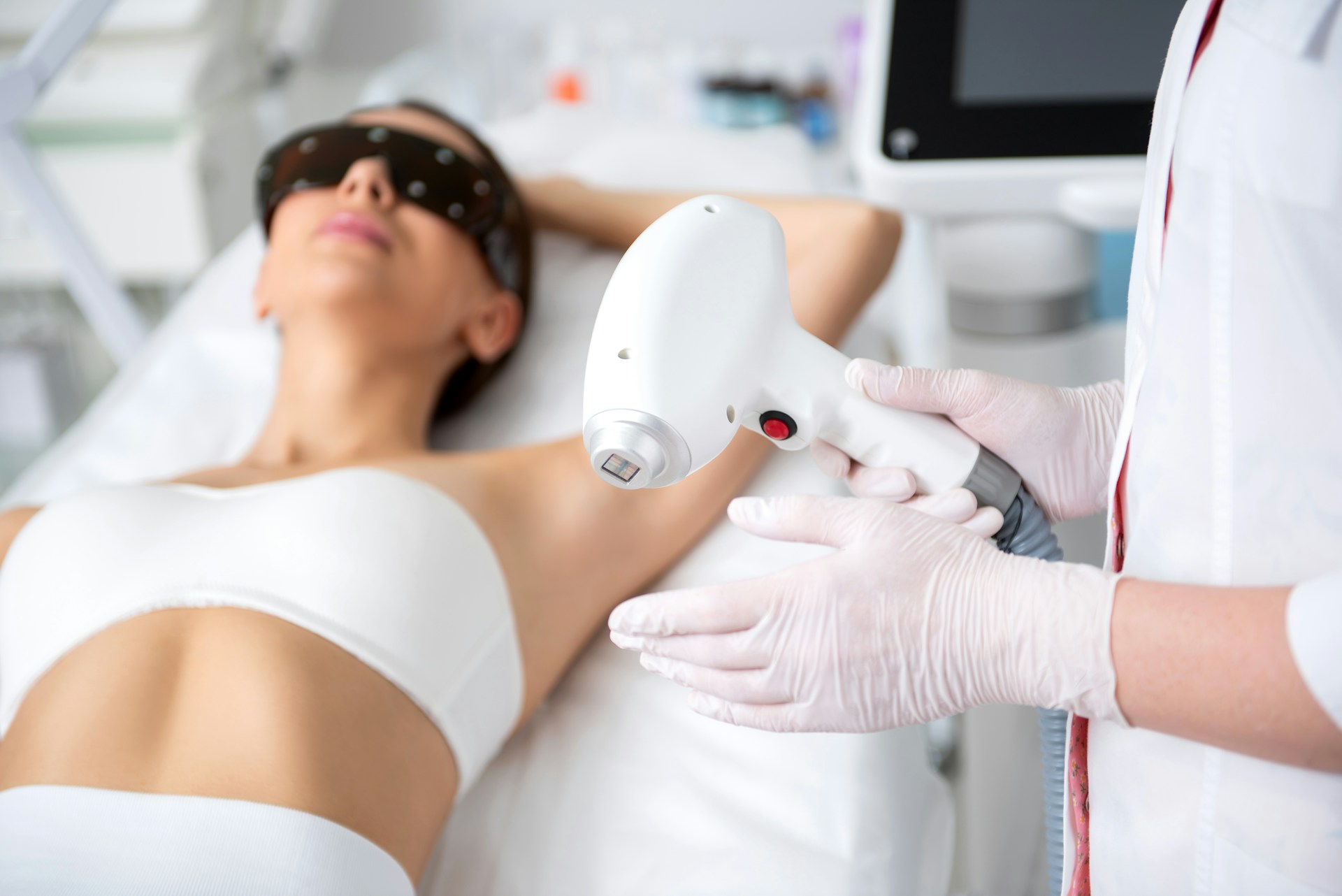
Pico laser for hyperpigmentation can be one option to address sun spots, melasma, or old marks that have not improved with skincare alone. Any decision to pursue treatment should be made in consultation with a qualified physician or nurse practitioner who can assess your skin in person, review your medical history, and discuss appropriate alternatives. The treatment itself is only part of the story. How you care for your skin in the days after a pico laser session can influence how smoothly you heal and how even your final results look.
Here in Toronto, that can feel tricky when you want to enjoy patios, walks by the lake, or a workout at the gym. This general guide explains what people commonly experience after pico laser, ways to protect skin from the sun, which skincare ingredients are often paused, and when it is usually safe for many patients to return to patios, gyms, and pools. It is not a substitute for medical advice and does not replace personalized directions from your own treating clinician.
Smoother Healing After Pico: What to Expect Day by Day
Pico laser for hyperpigmentation is typically a non-ablative treatment, which means it does not remove the top layer of skin. It targets pigment with very short bursts of energy that help break up dark spots so that your body can clear them over time. The suitability and settings of any device must be determined by your treating physician or nurse practitioner.
Right after treatment, many patients describe the skin feeling like a light sunburn. Common short-term reactions:
- Redness or pinkness
- Mild swelling or puffiness
- A temporary darkening of pigment before it flakes or fades
- Skin feeling warm or slightly tight
Everyone’s skin is different, and responses vary. This is a general timeline that some patients experience:
- First 24 hours: Redness and warmth may be most noticeable. Some swelling can appear, especially around the eyes or on the cheeks.
- Days 2 to 3: Redness often settles. Dark spots may look a bit darker or more “freckled” as pigment comes to the surface.
- Days 4 to 7: The treated areas may start to look more even. Any darkened spots may gently fade or flake away.
- Beyond one week: Skin usually looks calmer. Pigment changes may continue to evolve over weeks, especially over a series of sessions.
Your own plan and healing pattern may be different and should be confirmed with your treating clinician. They might adjust your aftercare based on factors such as:
- your skin tone and sensitivity
- the area treated, such as face vs. body
- the concern being treated (for example, melasma or sun spots)
While mild redness and warmth are common, some signs are not typical. You should contact your clinic or another medical professional promptly if you notice:
- increasing or severe pain instead of gradual improvement
- spreading rash, hives, or intense itching
- pus, yellow crusting, or foul smell
- blistering, large open areas, or signs of infection such as fever
At clinics such as Sovereign Skin, aftercare guidance is provided under physician supervision and is intended to be consistent with current Canada standards and guidance from the College of Physicians and Surgeons of Ontario (CPSO). However, regulatory bodies do not endorse specific clinics or treatments, and you should always verify that your provider is appropriately licensed in Ontario.
Sun-Safe Habits in Toronto After Pico Laser
After pico laser for hyperpigmentation, the treated skin can be more reactive to UV light for a period of time. Excess sun exposure too soon can contribute to rebound pigmentation, patchy darkening, or uneven tone. Protecting your skin while it heals is an important part of care.
General, Toronto-friendly sun strategies many patients find helpful:
- Planning walks for early morning or later evening when the sun is lower
- Sitting in the shade on patios and choosing seats under umbrellas or awnings
- Wearing wide-brimmed hats that shade your face, ears, and neck
- Using UPF clothing, sunglasses, and choosing routes on the shady side of the street
Your own provider should tell you when to start or resume sunscreen based on your specific skin status. As a general rule, clinicians often wait until:
- the skin surface looks intact
- there is no open oozing or crusting
- redness is mild and there is no strong burning or stinging
When your clinician advises that you may resume sunscreen, you can ask about options that typically include the following:
- broad-spectrum protection with SPF 30 or higher
- fragrance-free formulas
- products marketed for sensitive or post-procedure skin
- mineral filters like zinc oxide or titanium dioxide for reactive skin, or gentle chemical filters if you tolerate them well
People with darker skin tones, melasma, or a history of pigment problems may require more cautious timing and stricter sun avoidance. This is why that personalized advice from the treating physician or nurse practitioner is essential.
Skincare Ingredients to Pause and When to Restart
Around pico laser sessions, many clinicians recommend simplifying skincare. Strong or active ingredients can stress skin that is already working to heal.
Common products that are often paused, at the discretion of the treating clinician:
- Retinoids, such as retinol, tretinoin, or adapalene
- Chemical exfoliants, such as AHAs, BHAs, and PHAs
- Benzoyl peroxide
- High-strength vitamin C serums
- Physical scrubs, cleansing brushes, or rough washcloths
These are typically held to help lower the chance of:
- irritation and extra redness
- delayed barrier repair
- post-inflammatory hyperpigmentation while skin is fragile
A conservative pattern that some clinicians use is:
- stop actives 3 to 5 days before your treatment
- use only gentle care for at least 5 to 7 days after
- restart slowly, one product at a time, only when your provider confirms it is appropriate
This timing is not universal. Your schedule may be longer or shorter, especially if you have sensitive skin, deeper skin tones, or coexisting conditions.
During the healing phase, many patients are advised to focus on:
- a bland, non-foaming cleanser with cool or lukewarm water
- simple, fragrance-free moisturizers
- avoiding new products, at-home peels, or devices on the treated area
If you use prescription acne or anti-ageing medications, it is important to:
- share a full list of your medications and products before treatment
- follow the case-specific plan set by your prescribing physician and your treating clinician
When It May Be Safe to Return to Patios, Gyms, and Pools
Many patients ask how soon they can get back to regular activities. The answer depends on your skin, the size and location of the treated area, the device and settings used, and how your healing is progressing. Your own physician or nurse practitioner should provide individualized activity restrictions.
For patios and outdoor gatherings, keep in mind that:
- heat and direct sun can increase redness and swelling
- alcohol can temporarily widen blood vessels and make flushing more obvious
- wind and pollution can feel harsher on freshly treated skin
Potentially safer ways to enjoy these activities, once your clinician approves outdoor exposure, may include choosing shaded spots, wearing a hat, limiting time outside during peak sun hours, and following any advice about alcohol from your physician.
For gyms, studios, and sports:
- Heavy sweat, tight helmets, or chin straps can rub or irritate treated areas
- Shared equipment may carry bacteria that are not ideal for healing skin
- Saunas and steam rooms can add extra heat to already sensitive tissue
Many clinicians ask patients to wait a few days before intense workouts, then ease back in. When you do exercise, once cleared to do so, gently cleansing sweat off your skin as soon as you can is commonly recommended.
For pools, hot tubs, and lakes:
- Chlorinated water and saltwater can sting and dry the skin
- Pools, lakes, and hot tubs carry bacteria and other organisms
- Soaking before the skin surface is fully closed can slow healing
In general, clinicians often prefer that the skin look fully healed and intact before any submersion, but this must be confirmed for your situation. Your treating provider will give you a timeline that fits your treatment area, medical history, and skin type.
Face and body areas may heal at different speeds, and people with sensitive or darker skin types or with conditions like eczema or psoriasis, may need more time. If you have a big event coming up (such as a vacation, cottage weekend, or sports tournament), discuss this in advance with the clinic so your plan can be tailored safely.
Protecting Your Pico Results and Setting Realistic Goals
Thoughtful aftercare extends beyond the first week. It also helps support longer-term results from pico laser for hyperpigmentation. When skin heals in a calm, protected way, patients may see:
- more even tone
- fewer setbacks from new dark spots
- smoother progress over a planned series of treatments
Results vary from person to person. No treatment can guarantee complete or permanent removal of hyperpigmentation, and recurrence is possible. Pico laser is one option within a broader, evidence-informed plan that may also include skincare, other technologies, and lifestyle changes, as appropriate.
In the Toronto climate, maintenance habits that often support results include:
- daily broad-spectrum sun protection all year
- avoiding tanning beds
- managing triggers such as heat, hormonal changes, and picking or scratching at the skin
Follow-up visits are important. They allow your physician or nurse practitioner to:
- check healing and pigment changes
- adjust treatment intervals or settings if needed
- manage any side effects early
- refine your at-home care plan over time
At Sovereign Skin, assessments and recommendations are individualized and physician-supervised, with care intended to be aligned to Canada’s current best practices and CPSO guidance for medical aesthetics. This does not replace your responsibility to verify your provider’s credentials and to ask questions about risks, benefits, and alternatives before consenting to any procedure.
Next Steps to Plan a Safe, Summer-Ready Pico Session
If you are considering pico laser for hyperpigmentation, it is advisable to plan ahead of busy seasons, weddings, or travel so that there is enough time for healing and any follow-up sessions that might be recommended. A formal in-person consultation with a qualified clinician is required before any medical aesthetic treatment.
Preparing for a consultation can include these:
- Listing your current medications, including supplements
- Writing down all of the skincare products that you use, even if only sometimes
- Sharing any past procedures, pigment conditions, or history of keloid scarring
- Bringing questions about vacations, outdoor sports, or specific events that you care about
This kind of open discussion supports a realistic treatment schedule, careful aftercare, and a conservative, evidence-informed plan that respects both your goals and the medical guidelines that shape safe aesthetic care in Ontario.
Important Disclaimer
This article is for general informational purposes only and is not intended to provide medical advice, diagnose conditions, or replace an in-person consultation with a licensed health professional. Treatment appropriateness, risks, benefits, and aftercare must always be determined on an individual basis by your own qualified clinician, in accordance with current Canada regulations and CPSO policies.
Plan Your Safe, Physician-Guided Pico Laser Treatment
If you are considering pico laser for hyperpigmentation, our team at Sovereign Skin can review your medical history, examine your skin in person, and provide individualized aftercare instructions that align with CPSO guidelines. We will discuss realistic expectations, sun protection, and when it is safe for you to return to your usual activities, including patios, gyms, and pools. To request a consultation or ask questions about whether this treatment is appropriate for you, please contact us.

Aesthetic Team
Sovereign Skin
Articles on the Sovereign Skin blog are written and medically reviewed by licensed aesthetic professionals with hands-on clinical experience in cosmetic injectables and skin treatments. Our team follows current medical guidelines and evidence-based practices to ensure accurate, trustworthy information that helps readers make informed decisions about aesthetic care.
