
PIH in Toronto: Summer-Safe Topicals vs. In-Clinic Options
Post-inflammatory hyperpigmentation, or PIH, can feel like it hangs around long after a breakout or irritation has settled. Dark marks on the face, neck, chest, or bikini area are very common in a diverse city like Toronto, where many of us have medium to deep skin tones that show pigment changes easily. When the weather is warm and we are outside more, treating PIH can feel tricky, because some stronger treatments are not ideal with higher sun exposure.
At Sovereign Skin, we work within Canada’s regulations and the guidelines of the College of Physicians and Surgeons of Ontario (CPSO) to create safe, realistic plans for fading PIH. Here, we will look at what PIH actually is, how summer affects it, how topical ingredients like tranexamic acid, azelaic acid, and vitamin C compare with in-clinic options such as a chemical peel in Toronto, and how to choose a summer-safe approach that respects your skin and your lifestyle.
What Post-Inflammatory Hyperpigmentation Really Is
PIH happens when the skin makes extra melanin after something has caused inflammation or injury. Common triggers include acne, eczema flare-ups, ingrown hairs from shaving or waxing, and even cosmetic procedures. Once the inflammation settles, a flat brown, tan, or sometimes grey mark can be left behind.
PIH is not the same as melasma or a scar.
- Melasma often has a hormonal component and shows up in a more patchy pattern.
- Scarring usually changes the texture of the skin: for example, raised or indented areas.
- PIH changes colour, but the skin surface usually feels smooth.
Any skin tone can develop PIH, but it tends to be more visible and slower to fade in medium to deep complexions. In a multicultural city like Toronto, we see this every day, especially after acne, waxing, or hair removal on the face and body.
Summer is a high-risk time for PIH for a few reasons:
- Longer days and more time spent outdoors
- Higher UV index
- Heat, which can increase inflammation in already stressed skin
UV and heat can deepen existing dark marks and can also trigger new ones if the skin barrier is irritated. That is why we focus on sun protection and gentle choices when planning treatment over the warmer months.
Summer-Safe Topicals for Treating Dark Marks
For many people, summer is a good time to lean into topical treatments that work slowly and steadily instead of jumping into aggressive procedures. Three ingredients that we often consider when appropriate are tranexamic acid, azelaic acid, and vitamin C.
Tranexamic acid is known for its role in calming excess pigment production. In skincare, it is used in low concentrations to help reduce the look of dark spots by interrupting some of the signals that tell pigment cells to make more melanin. Key points with tranexamic acid:
- It usually needs consistent use for several weeks to months.
- It is often combined with other brightening agents in a full routine.
- It may be used on its own or layered, depending on your skin plan.
Azelaic acid has both anti-inflammatory and pigment-modulating properties. It can be especially helpful if you have:
- acne-prone skin with red marks and brown spots
- rosacea-prone skin that is sensitive but still deals with PIH
- medium to deeper skin tones that react easily to irritation
When used as directed, azelaic acid has a generally favourable safety profile and can fit well into a long-term plan for calming both breakouts and the marks they leave behind.
Vitamin C is a well-known antioxidant that helps defend the skin against free radicals from UV and pollution. It can also support collagen and help brighten uneven tone over time. However, not all vitamin C products are equal. Their impact depends on:
- the form of vitamin C used
- how stable the formula is
- the concentration and pH
Some vitamin C serums can sting or irritate, especially if your skin barrier is already compromised. In summer, when we want to avoid extra irritation that could trigger more PIH, it is helpful to choose strengths and combinations under medical guidance instead of guessing.
Everyday Routine Essentials for Summer Pigmentation Care
No matter which brightening actives you use, sun protection is non-negotiable if you want PIH to fade instead of darken. Simple daily habits make a big difference:
- Use a broad-spectrum SPF 30 or higher every morning, even on cloudy days.
- Reapply every 2 hours when you are outdoors and after swimming or heavy sweating.
- Add physical protection like hats, sunglasses, and seeking shade when you can.
A gentle, consistent routine can support your skin while you treat PIH. A typical structure might look like this:
Morning:
- Gentle cleanser
- Antioxidant serum, such as a suitable vitamin C product
- Light moisturiser, if needed
- Sunscreen
Night:
- Gentle cleanser
- Targeted topical, such as azelaic acid or tranexamic acid, if recommended
- Moisturiser to support the skin barrier
The exact products, strengths, and timing should be tailored by a medical professional who can review your skin type, other medications, and sensitivity level.
It is also important to avoid over-exfoliating. At-home scrubs, frequent acid peels, and stacking many strong actives at once can damage the barrier and cause new pigment. Patch testing new products and going slowly, especially if you have darker or reactive skin, reduces the risk of setbacks.
In-Clinic Options When Peels and Devices Make Sense
Some people will benefit from in-clinic treatments in addition to topicals. A common option is a medical chemical peel in Toronto that is chosen and supervised by a physician or a nurse working under physician guidance. These peels can help improve the look of PIH by gently speeding up cell turnover and smoothing surface irregularities.
During the warmer months, we often adjust how we use peels:
- Favouring milder formulations
- Increasing the time between sessions
- Timing treatments around vacations or outdoor events to limit sun exposure on fresh skin
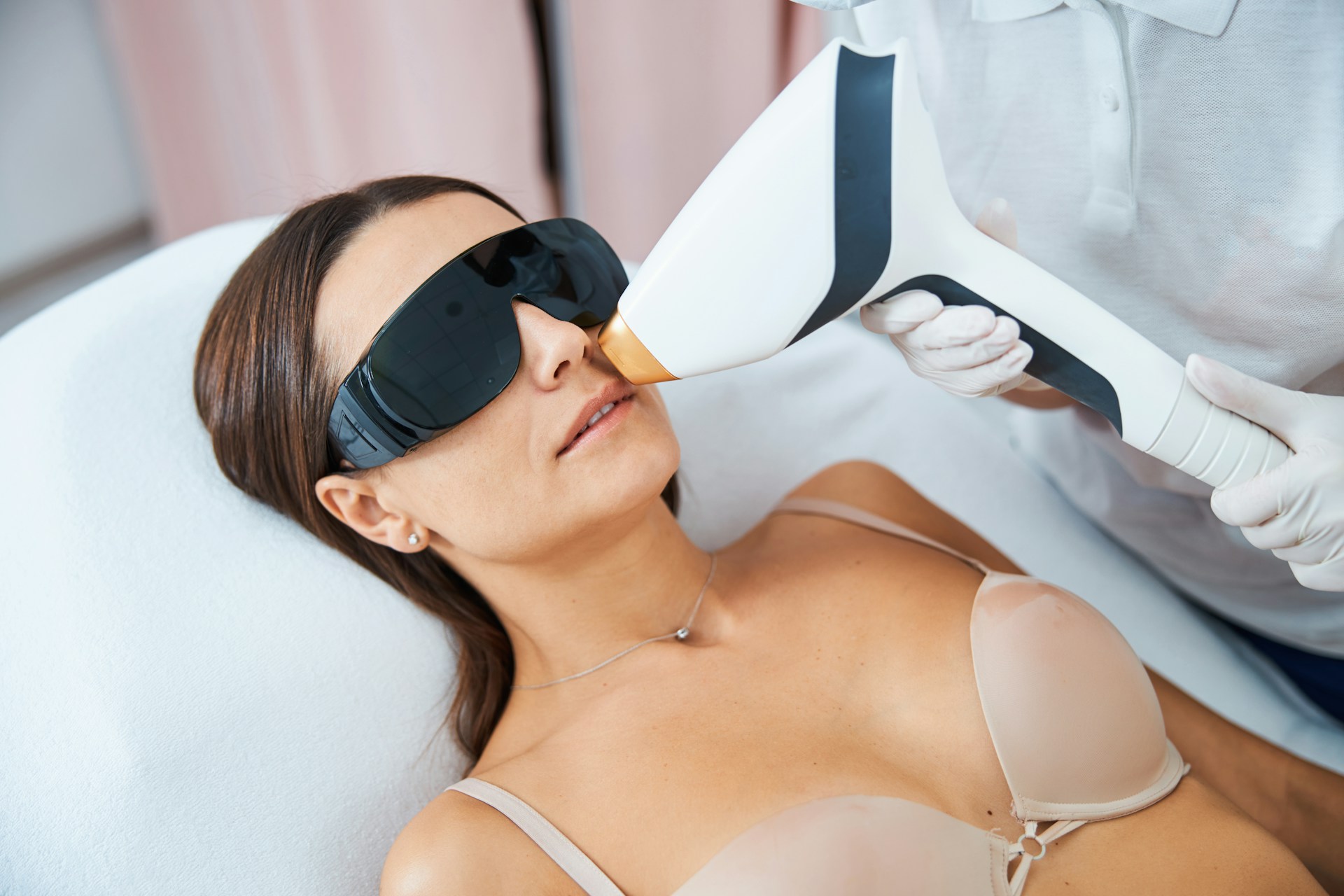
Other clinic-based tools can sometimes be added, such as medical-grade topical combinations, microneedling, or certain light or energy-based devices. The choice depends on:
- your skin type, especially if you have a deeper tone
- your history of PIH or scarring
- current medications and health conditions
- how much sun you get from work, sports, or travel
We do not promise guaranteed results, and most people need multiple sessions for noticeable change. Safety, informed consent, and realistic expectations are central parts of any plan. Before treatment, a qualified professional should review contraindications like recent sunburn, active skin infections, certain medications, or a strong history of keloid scarring.
How We Approach PIH in Toronto Summers
At Sovereign Skin, our starting point is a careful, physician-supervised assessment. We look at your skin type, medical history, previous treatments, and daily habits, including sun exposure. We pay close attention to patients with deeper skin tones, recurrent breakouts, or a strong pattern of PIH, since these factors can affect which options are safest.
From there, we build a summer-friendly plan that might include the following:
- A personalised topical routine with ingredients such as tranexamic acid, azelaic acid, and vitamin C, when appropriate
- Coaching on sun habits that fit your real life, not just textbook rules
- Conservative in-clinic treatments, like milder chemical peels in Toronto, scheduled around your outdoor plans
Our approach is guided by current clinical evidence, Health Canada-approved products and devices, and CPSO expectations for informed consent and follow-up. We avoid dramatic promises and quick-fix language. Instead, we focus on gradual, measurable improvements that respect both your skin and your safety.
As the weather warms, PIH does not have to keep getting darker. With steady sun protection, thoughtful use of summer-safe topicals, and carefully chosen in-clinic support when it is appropriate, many people see a real shift in clarity and confidence over time.
Choose Safe, Supervised Care for Your Hyperpigmentation
If you are considering a physician-monitored chemical peel in Toronto to address post-inflammatory hyperpigmentation, we can help you decide whether an in-clinic procedure, a topical routine, or a combination is most appropriate. At Sovereign Skin, we follow evidence-informed protocols that align with Canada regulations and CPSO guidelines, with a focus on realistic outcomes and skin safety. We review your medical history, your current skincare products, and your sun exposure patterns before recommending any treatment. To book a consultation or ask questions about your specific concern, please contact us.

Aesthetic Team
Sovereign Skin
Articles on the Sovereign Skin blog are written and medically reviewed by licensed aesthetic professionals with hands-on clinical experience in cosmetic injectables and skin treatments. Our team follows current medical guidelines and evidence-based practices to ensure accurate, trustworthy information that helps readers make informed decisions about aesthetic care.
