
Ultherapy vs. Laser Skin Tightening in Toronto: Choosing Safely
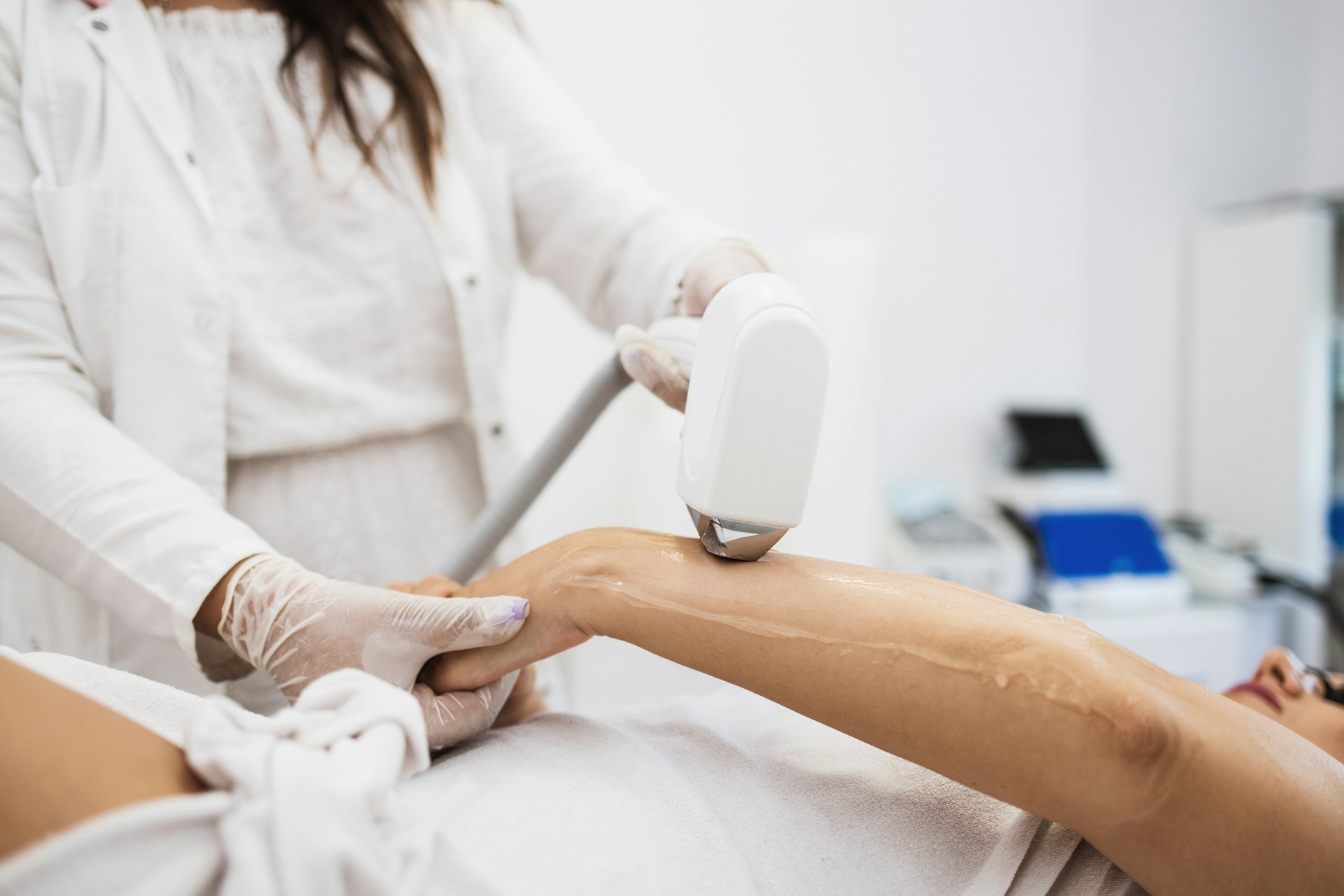
Non-surgical skin tightening has become a commonly requested way to look fresher without surgery. In Toronto, many people start considering these treatments as special events, photos, and vacations approach. It can feel confusing when you hear different names for similar-sounding procedures, especially when you want results but also care deeply about safety.
At our clinic, we offer both Ultherapy and laser skin-tightening treatments under physician supervision. They can both help with skin laxity, but they work in different ways and are not replacements for surgical lifting. Results are gradual, vary from person to person, and must stay within what is realistic and medically appropriate.
This article is for general information only and is not a substitute for an in-person medical assessment or individualized advice from a physician. Any decision to proceed with treatment should be made after a thorough consultation with a physician who is licensed and in good standing with the College of Physicians and Surgeons of Ontario (CPSO).
Our goal here is to explain how Ultherapy in Toronto compares with laser skin tightening — what safety steps matter, who might be a candidate, and how expectations should line up with Canadian regulations and CPSO guidance. This way, you can sit down in a consultation feeling informed, calm, and ready to ask focused questions.
How Ultherapy Works Beneath the Surface
Ultherapy is a Health Canada-licensed medical device treatment that uses focused ultrasound energy. Instead of treating just the surface, it can reach deeper layers of tissue, including areas close to the superficial muscular aponeurotic system (SMAS), which is one of the structures addressed during surgical facelifts. There are no incisions and no needles in the skin for this specific treatment.
Typical Ultherapy areas:
- Brow and forehead
- Jawline and early jowls
- Under the chin and neck
- Décolletage or upper chest lines
People who may benefit usually have mild to moderate laxity, a soft or less defined jawline, early jowling, or “tech neck” lines from looking down at devices. Skin that is just starting to sag often responds better than skin that is already very loose.
A safe Ultherapy experience usually includes:
- A medical assessment with a physician, or with a nurse under appropriate physician oversight
- A review of your medical history, medications, and previous procedures
- A clear discussion about what Ultherapy can and cannot do, including possible risks and alternatives
During treatment, ultrasound imaging is used to see the different layers under the skin. This helps guide where the energy is placed, including depth and pattern, for a more customized plan. Some people feel discomfort during the procedure, since the energy is targeting structural layers. Comfort plans vary and should be discussed ahead of time.
Common short-term effects can include:
- redness
- mild swelling
- tenderness to touch
- temporary numbness or tingling
These usually settle on their own, but less common complications such as nerve irritation, prolonged discomfort, or changes in sensation can occur and should be reviewed during consent.
Results tend to build slowly over about 3 to 6 months as new collagen forms. Outcomes cannot be guaranteed, and some individuals may see only subtle change.
In line with CPSO expectations, Ultherapy in Toronto should be done under proper physician oversight, with:
- detailed documentation
- informed consent that covers risks, alternatives (including no treatment and surgical options), and realistic outcomes
- clear follow-up instructions and access to appropriate assessment if issues come up
Laser Skin Tightening Explained Clearly and Safely
Laser skin tightening uses light energy to create controlled heat in the skin. This heat can trigger collagen remodelling and, in some cases, new collagen production. There are different types of lasers, such as non-ablative lasers that work mostly in the deeper dermis, and ablative or fractional lasers that create tiny columns of treated tissue at or near the surface.
Compared with Ultherapy, lasers usually:
- work more superficially than focused ultrasound
- can improve texture, fine lines, and pores
- may help with pigmentation, depending on the device
- often require a series of sessions for the best results
Some laser treatments have little to no downtime, while others can cause a few days of redness, swelling, or flaking. The exact experience depends on the device type and settings that are used. As with any medical procedure, there are risks, including burns, scarring, pigment changes, or infection. These should be reviewed by the treating physician.
Safe laser use must take into account the following:
- Fitzpatrick skin type (how your skin reacts to sun)
- History of scarring, keloids, or pigment problems
- Medications such as isotretinoin or blood thinners
- Tanning habits and sun exposure, including recent travel
Sun protection is very important with lasers, including during Canadian winters when UV exposure can still be significant. Unprotected sun can raise the risk of unwanted pigmentation after treatment and can also break down new collagen faster.
At our clinic, laser treatments are physician-supervised and follow current Canadian expectations for energy-based devices, including:
- careful consultation and medical history
- discussion of reasonable benefits and known limitations
- written consent and clear aftercare, including safe skin care and sun habits
Ultherapy or Laser: Which Is Right for You in Toronto?
Choosing between Ultherapy and laser skin tightening is less about which one is “better” and more about which one fits your skin, goals, and health.
Ultherapy may be preferred when:
- you want deeper lifting of the brow, jawline, or neck
- your main concern is sagging, not texture or pigment
- you can wait several months for gradual results
Laser skin tightening may be more suitable when:
- you also care about texture, pores, or fine lines
- you have sun damage or uneven tone
- you are open to a series of treatments and possible mild downtime
Some people may be offered a staged or combined plan. For example, deeper support with Ultherapy, then later a laser series to refine texture and tone, always timed with healing and sun exposure in mind. Any combined approach should be recommended only after an in-person assessment by a qualified physician.
Candidacy depends on these criteria:
- Age and degree of laxity
- Skin thickness and quality
- Previous fillers, threads, or surgery
- Medical history, including autoimmune or connective tissue issues
- Lifestyle, including smoking and sun habits
- Tolerance for discomfort and any downtime
- Budget and willingness to maintain results over time
Photos and a hands-on examination are very important. They help the treatment team see how your skin behaves at rest and with movement and help them compare your starting point with any changes later.
Safety and expectations should be clear from the beginning:
- Neither treatment replaces a facelift.
- Changes are usually subtle to moderate.
- Outcomes depend on your own biology, healing, and adherence to aftercare.
- Maintenance is often needed over time.
In Toronto, these treatments should be planned and performed by Royal College-certified physicians or physicians in good standing with the CPSO, and by teams trained in the specific devices they use. Timing also matters. Many people choose Ultherapy or laser tightening in late winter so that any redness, light swelling, or increased sun sensitivity has settled by the time summer arrives, when outdoor time often increases.
Safety, Regulations, and Choosing a Trusted Clinic
When considering energy-based treatments on the face and body, safety should be the primary focus. Canadian guidance and CPSO standards place clear responsibility on physicians for proper assessment, delegation, and supervision.
Key points:
- A physician must review your case and confirm that the treatment is appropriate.
- Delegated providers must be trained, competent, and appropriately monitored.
- Information must be balanced and should not promise that there is “no risk” or that results are “guaranteed.”
When you are choosing a clinic in Toronto, look for the following:
- Direct physician involvement before and during your care
- Use of Health Canada-licensed devices
- Honest explanation of what each treatment can and cannot achieve
- Before and after photos that are consistent in lighting and angles and that do not exaggerate results
- Clear instructions for aftercare and straightforward access if you have concerns
At Sovereign Skin, the approach to safety centres on:
- A thorough consultation and medical history review
- Clinical photos in consistent positions and lighting
- Discussion of all reasonable options, including waiting or choosing surgical routes when non-surgical tools are unlikely to help enough
- Explanation of possible complications and side effects, even if they are uncommon
We encourage you to prepare questions ahead of time about Ultherapy in Toronto, specific laser technologies, who will be performing each step, what happens if there is an unexpected reaction, and how to reach the medical team if concerns arise. Feeling safe begins with feeling informed.
Information to Support Your Next Step
Ultherapy and laser skin tightening both aim to support your skin’s own collagen, but they do it in different layers. Ultherapy works deeper for lifting and support, while lasers focus more on surface texture, tone, and fine lines. For many people, the best plan is not one or the other forever, but a personalized mix over time under careful physician supervision.
If you are considering these treatments, an in-person consultation with a CPSO-licensed physician is essential. During that visit, you should expect to review your goals, examine photos together, and discuss timelines, expected changes, alternatives, and how to maintain results safely. Bringing a list of medications, past treatments, and your main concerns helps the medical team match you with the most appropriate options for your skin and your overall health.
This article is intended for general educational purposes only and should not be relied upon as specific medical advice or as a recommendation for any particular procedure. Only a qualified physician who has assessed you in person can determine what is appropriate in your situation.
Reveal A Firmer, More Youthful Look With Precision Skin Lifting
If you are ready for a subtle yet impactful lift without surgery, explore how Ultherapy in Toronto can fit your goals. At Sovereign Skin, we take the time to assess your skin, discuss realistic outcomes and create a plan tailored to your needs. Connect with our team to ask questions, review treatment options and schedule your consultation, or simply contact us to get started.

Aesthetic Team
Sovereign Skin
Articles on the Sovereign Skin blog are written and medically reviewed by licensed aesthetic professionals with hands-on clinical experience in cosmetic injectables and skin treatments. Our team follows current medical guidelines and evidence-based practices to ensure accurate, trustworthy information that helps readers make informed decisions about aesthetic care.
