
Laser Resurfacing Recovery Timeline in Toronto: Day-by-Day Healing Guide
What to Expect From Laser Resurfacing Recovery
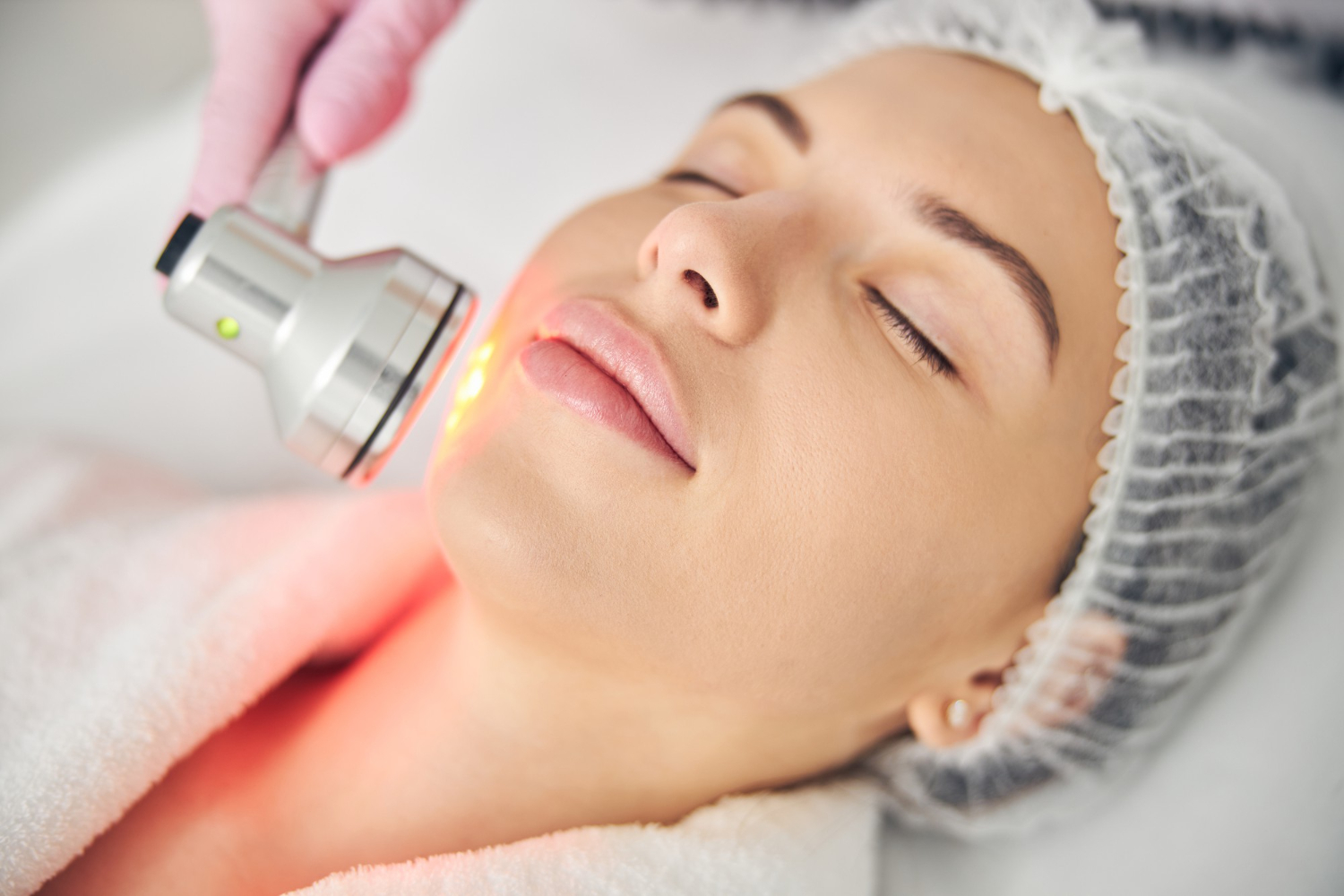
Laser resurfacing is a non-surgical medical procedure that uses focused light to refresh the skin. Common options include CO2, Fraxel, and erbium lasers. These treatments may be used to address concerns such as fine lines, acne scars, sun damage, and uneven texture, which are common in a city with cold winters, dry indoor heat, and bright summer sun like Toronto.
Recovery is not instant. The skin typically passes through stages of redness, peeling, and renewal. The exact timeline varies based on these factors:
- Skin type and tone
- The specific laser used
- Treatment depth and strength
- How closely you follow the prescribed aftercare
- Individual healing responses
Treatments should be performed in an appropriate medical setting under physician supervision. Your plan, aftercare, and follow-up should be tailored to you and guided by current medical standards, including guidance from the College of Physicians and Surgeons of Ontario (CPSO) and applicable Canada regulations. This type of oversight is intended to help lower risks, support early recognition of complications, and keep healing as safe and comfortable as possible. Outcomes and recovery times vary from person to person.
Comparing CO2, Fraxel, and Erbium Laser Downtime
There are many types of lasers used for resurfacing. CO2, Fraxel, and Erbium are 3 commonly used options.
CO2 laser
A CO2 laser is an ablative laser that removes the top layer of skin and heats deeper layers. It is more intensive and is often selected for deeper wrinkles, scars, and more significant texture changes.
Typical downtime (approximate and variable):
- About 7 to 14 days of visible healing
- Redness can last longer, sometimes several weeks or more
Potential risks can include infection, scarring, pigment changes, prolonged redness, and delayed healing.
Fraxel laser
Fraxel is a brand of fractional laser. It treats tiny columns of skin while leaving surrounding tissue intact. Some Fraxel settings are non-ablative, and others are more aggressive.
Typical downtime (approximate and variable):
- About 3 to 7 days of social downtime
- Redness and a dry, rough texture in the first few days
Potential risks can include swelling, redness, temporary darkening or lightening of the skin, infection, and, less commonly, scarring.
Erbium laser
An Erbium laser is also an ablative option, but it can be gentler and more precise compared with traditional full-field CO2 in some settings. It is often used for fine lines and more surface-level issues.
Typical downtime (approximate and variable):
- Roughly 5 to 10 days
- Intensity depends on how deep and strong the treatment is
Risks can include infection, pigment changes, scarring, and prolonged redness.
During a physician-led consultation, the laser type and settings should be chosen based on:
- skin concerns, such as fine lines, scars, or pigment changes
- skin tone and tendency to pigment
- medical history and medications
- lifestyle needs, including work and caregiving responsibilities
This decision-making should occur within Health Canada rules and CPSO standards of care, with a clear discussion of potential benefits, alternatives, limitations, risks, and realistic outcomes. No specific result can be guaranteed.
Day-by-Day Healing After CO2 Laser Resurfacing
CO2 laser usually has one of the longest and most visible downtimes among these options. For appropriately selected patients, it may offer meaningful texture improvement. Individual responses vary.
Days 1 to 3
Right after treatment, skin often looks bright red and swollen. It may feel hot, tight, and tender, similar to a strong sunburn. Oozing or crusting can appear as the skin weeps and starts to repair.
Typical care in this stage may include:
- gentle cold compresses, as advised
- a protective ointment applied as directed
- prescribed pain medication or antiviral medication, if ordered
- no picking, scrubbing, or scratching
You will generally be advised to sleep with your head elevated, avoid pets touching your face, and use only products that your treating physician or delegate approves. Contact your clinic promptly if you notice increasing pain, pus, spreading redness, fever, or any other signs of infection.
Days 4 to 7
Redness is usually still present, but the top layer often darkens and starts to peel or “bronze.” The skin can feel dry, tight, and itchy. Many people choose to work from home at this stag,e if possible.
Key points:
- Continue gentle cleansing, as directed
- Keep a thick moisture barrier on the skin
- Avoid makeup and sweaty workouts unless your physician has clearly said it is safe
- Stay away from sun and harsh wind
Days 8 to 21 and beyond
By the second and third week, the surface is usually closed, but redness and sensitivity can remain. The skin may look pink and fresh. Gradual brightening and smoother texture may develop over several weeks to months, but results differ for each person.
Helpful habits now include:
- gentle, non-foaming cleanser
- hydrating, barrier-supporting moisturizer
- daily broad-spectrum sunscreen
- patience, as full results can evolve over several months
Follow-up visits are important, so your physician can watch for any early signs of infection, pigment change, or unusual scarring and adjust your plan, if needed. Additional treatments or alternative therapies may sometimes be recommended.
Fraxel and Erbium Recovery in Toronto
Fraxel recovery
Fraxel is often selected by people who would like improvement with generally less downtime than many full-field CO2 treatments, though this depends on the exact settings and individual healing.
Days 1 to 5 often include:
- redness, heat, and mild swelling
- a “sandpaper” or dry, bumpy texture
- dark speckling or bronzing as treated areas rise to the surface
Many people can work from home within 1 to 2 days, depending on comfort and the nature of their work. Some return to in-person work sooner or later, depending on their healing and tolerance for visible redness. Makeup and heavy workouts should usually wait until the skin barrier is more stable and your physician approves.
Erbium recovery
Erbium laser settings can range from light to more aggressive, so downtime varies.
Days 1 to 7 often include:
- redness and swelling right away
- peeling or flaking as the skin renews
- often less oozing than traditional full-field CO2 in many cases
Because Toronto weather can swing from cold wind to bright sun, your treatment plan and follow-ups can be scheduled with that in mind. Your care team may suggest that you:
- Limit long commutes outdoors in the first days when possible
- Time treatments when you can modify your work, such as working from home, if feasible
- Use specific clothing and sun protection to shield healing skin
The intention is to align laser settings and timing with your medical needs and practical circumstances.
When It’s Safe to Wear Makeup, Work Out, and Return to Work
Always follow the specific advice of your treating physician or nurse practitioner, as timelines can vary.
Makeup
Cosmetic products usually need to wait until the surface has fully healed, also called re-epithelialization. Rough averages (which can differ by individual and treatment) are:
- CO2: around days 7 to 10
- Fraxel: around days 3 to 5
- Erbium: around days 5 to 7, depending on depth
When you do start, choose non-comedogenic, fragrance-free makeup and clean brushes or sponges. Final clearance for makeup should always come from your treating physician or delegate.
Work and social life
Timelines vary, but a general idea is:
- Working from home: Often within a few days for many Fraxel and erbium treatments, and about a week for many CO2 treatments
- Office or client-facing roles: Once redness and peeling feel manageable for you, noting that CO2 and deeper erbium can leave pinkness for weeks
- Photography or film work: May require a longer window or, once safe, physician-approved tinted sunscreen and mineral makeup
Exercise, saunas, and pools
Intense exercise raises body heat and sweat, which can irritate healing skin and raise the risk of problems such as delayed healing or infection. In general, you may be advised to avoid:
- Heavy workouts
- Steam rooms and saunas
- Pools and hot tubs
These activities are usually paused until your skin is intact and your physician confirms that it is safe to resume.
Protecting Results and Planning Laser Resurfacing in Toronto
Toronto’s late winter and spring can be a reasonable time for laser resurfacing because the sun may be less intense than in peak summer, but UV protection remains very important. Freshly treated skin is more prone to pigment changes from sunlight.
Helpful sun-safe habits:
- Daily broad-spectrum SPF 30 or higher, reapplied as needed
- Wide-brimmed hats and seeking physical shade
- Avoiding peak midday sun, when possible
- Being mindful of reflective surfaces like snow, water, or glass
Maintenance skincare can support the appearance of your skin after treatment. Your physician may suggest the following:
- Gentle cleansers that do not strip your skin
- Ceramide-rich or barrier-focused moisturizers
- Antioxidants, once your skin is ready
- Actives like retinoids, only when they are clearly approved for re-introduction
Laser resurfacing should be planned as a process rather than a single visit. During a medical consultation, your health history, medications, skin type, and goals should be reviewed. Recovery windows, possible need for repeat treatments, and potential risks and limitations should be discussed so you can make an informed decision and plan work, events, and family duties around your healing time.
Preparing ahead can make recovery less stressful. That might include arranging a few remote work days, if possible, obtaining your approved skincare and sun protection, and scheduling follow-up visits before treatment day. Laser resurfacing should always be done in an appropriate medical setting with qualified professionals, clear informed consent, and access to support if concerns arise while you heal.
This information is intended for general educational purposes only and does not replace a personalized assessment, diagnosis, or treatment plan from a licensed health professional. For advice about your specific situation, please consult a physician or other regulated health-care provider.
Refresh Your Skin with Advanced Laser Care
If you are ready to smooth texture, soften scars, and restore a more even complexion, our team at Sovereign Skin is here to help you plan the right approach with laser resurfacing in Toronto. We will assess your skin, your goals, and your comfort level to recommend a tailored treatment plan. To schedule a consultation or ask questions about your options, simply contact us and we will follow up promptly.

Aesthetic Team
Sovereign Skin
Articles on the Sovereign Skin blog are written and medically reviewed by licensed aesthetic professionals with hands-on clinical experience in cosmetic injectables and skin treatments. Our team follows current medical guidelines and evidence-based practices to ensure accurate, trustworthy information that helps readers make informed decisions about aesthetic care.
